Orthognathic surgery, also known as corrective jaw surgery, realigns the upper and lower jaws to fix skeletal malocclusion that braces alone cannot correct. The result is a balanced bite, easier breathing, and a more harmonious face.
Corrects jaw misalignment and skeletal malocclusion
Orthognathic surgery is a form of maxillofacial surgery that repositions the upper jaw (maxilla), the lower jaw (mandible), or both, to correct jaw misalignment that affects how your teeth meet and how your face is balanced. It addresses skeletal malocclusion, a problem rooted in the position of the bones, not just the teeth.
At Mint Dental Care, corrective jaw surgery is carefully planned with 3D scans and orthodontic mapping, so jaw realignment improves your bite, function, and appearance together, not one at the expense of another.
Improves bite, breathing, speech, and facial harmony
When to consider it
Signs You May Need Corrective Jaw Surgery
If a noticeable jaw misalignment affects how you eat, speak, or breathe, corrective jaw surgery may be the right path. Look out for these common signs of skeletal malocclusion.
Difficulty chewing
Trouble biting or chewing because your upper and lower teeth don't meet correctly.
Breathing & sleep issues
Chronic mouth breathing or sleep apnoea linked to a recessed lower jaw.
Protruding or recessed jaw
A visible underbite, severe overbite, or asymmetry between the jaws.
Speech & jaw pain
Speech difficulties, an open bite, or ongoing jaw-joint pain and strain.
Comparison
Orthognathic Surgery vs. Orthodontics: What's the Difference?
Orthodontics moves the teeth; orthognathic surgery moves the bones. When a problem is skeletal, not just dental, the two work together for a lasting result.
Skeletal correction
Orthognathic Surgery
Repositions the jaw bones themselves
Fixes severe underbite and overbite at the source
Corrects skeletal malocclusion and facial imbalance
Improves breathing, speech, and chewing
Orthodontics Alone
Moves and aligns the teeth with braces or aligners
Ideal for mild to moderate dental crowding
Cannot move the jaw bones into a new position
Limited for true skeletal jaw misalignment
Getting ready
How to Prepare for Jaw Surgery
Good preparation makes corrective jaw surgery smoother and your recovery faster. Most patients complete a phase of pre-surgical orthodontics before the procedure so the teeth are ready for the new jaw position.
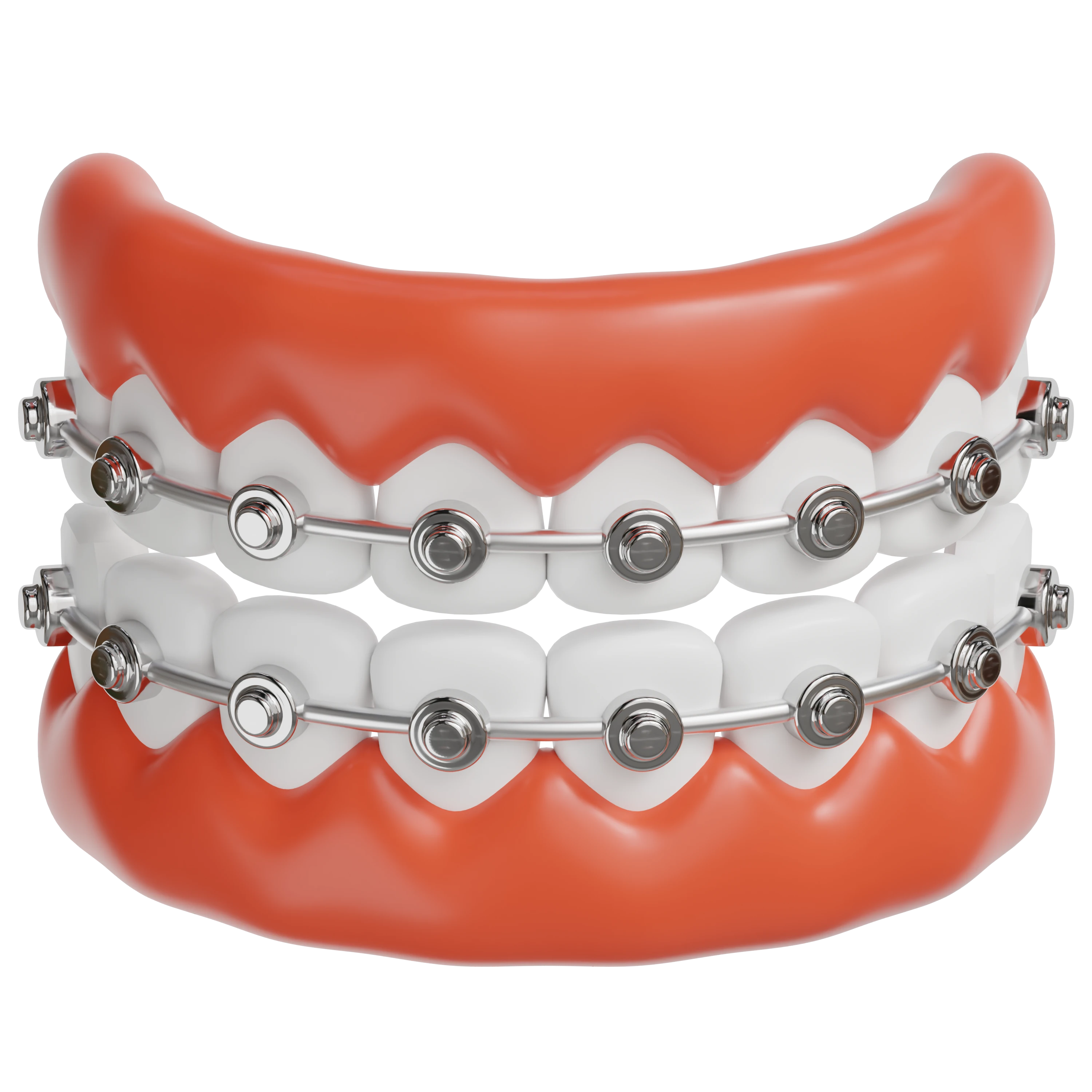
Pre-surgical bracesBraces level and align the teeth so they fit once the jaws are realigned.
3D scans & planningX-rays and digital models map the exact maxillofacial surgery plan.
Health assessmentBloods and a medical review confirm you're ready for anaesthesia.
Practical prepStock soft foods, arrange time off, and plan a calm space to recover.
Wondering If Jaw Surgery Is Right for You?
Our specialist team will assess your jaws, bite, and facial structure, then explain whether jaw realignment surgery, or orthodontics alone, is the best route to a healthy, balanced smile.
Pre-surgical braces and 3D planning prepare your teeth and map the precise jaw realignment.
The surgery
Under general anaesthetic, the surgeon repositions the jaw bones from inside the mouth, with no visible facial scars.
Securing the jaws
Small titanium plates and screws hold the maxilla and mandible in their new, corrected position.
Finishing orthodontics
Once healed, final braces or aligners perfect the bite for a stable, lasting result.
What to weigh up
Risks and Benefits of Orthognathic Surgery
Like any maxillofacial surgery, corrective jaw surgery carries some risks, but for the right patient, the lasting benefits to health, function, and confidence are significant.
Lasting correction
Permanent correction of skeletal malocclusion that braces alone could never achieve.
Better function
Improved chewing, clearer speech, easier breathing, and often relief from sleep apnoea.
Manageable risks
Temporary swelling, numbness, or stiffness are the most common, and usually resolve with healing.
Specialist safety
Careful 3D planning and experienced surgical hands keep risks low and outcomes predictable.
The outcome
How Jaw Surgery Improves Bite, Function, and Appearance
By moving the jaws into their ideal position, orthognathic surgery transforms three things at once, how your teeth bite together, how your mouth works day to day, and how balanced your face looks.
A precise biteUnderbite surgery and overbite correction let your teeth meet evenly for healthy chewing.
Everyday functionClearer speech, easier eating, and better breathing once the jaws align.
Facial harmonyJaw realignment brings the chin, lips, and profile into natural balance.
Renewed confidenceA balanced, comfortable smile that finally matches how you want to feel.
Patient Results
What Our Patients Say
Real reviews from our verified Google profile, written by patients who completed treatment at Mint Dental Care.
4.9★★★★★730 Google reviews
Ahmad Issa2 months ago
★★★★★
I recently had a tooth filling done, and Dr. Zee was extremely professional throughout the entire experience. He was a great listener and provided clear, helpful advice. The procedure itself was smooth, quick, and much easier than I expected.
Lulu Belen4 months ago
★★★★★
After years of dealing with on/off pain on my tooth (RCT) I finally found relief thanks to Dr. Neha Singh from Mint Dental Clinic. From the moment I walked into her clinic, I felt a sense of calm. Her gentle approach and extensive knowledge put me at ease.
Omar Othman4 months ago
★★★★★
I had an amazing experience with Dr Neha and her associate nurse Mrs Nable! From the moment I walked in, the meet and greet staff were welcoming and professional. Dr Neha took the time to explain everything clearly and made sure I was comfortable throughout.
KS
kareem shabana month ago
★★★★★
I had a really great experience at Mint Dental Care. The clinic was very professional, clean, and welcoming from the moment I arrived. A very special thanks to Dr. Noha for her kindness, professionalism, and amazing care throughout the treatment.
MR
maricel ramos2 months ago
★★★★★
I had a great experience at Mint Dental Care and would definitely recommend them. After my cleaning, everything feels fine and I have no concerns at all.
TR
Tahani Radja Remilia month ago
★★★★★
I had a great experience at Mint Dental Care with Dr. Zeeshanali and Dr. Neha. From the beginning, they both took the time to explain every step of the treatment clearly and made sure I felt comfortable throughout the entire process.
SS
Sanya Sequeira4 months ago
★★★★★
I recently went in for a general check-up, cleaning, and X-ray, and I had such a great experience. I’m usually very anxious about dental visits because I’ve had some really bad experiences in Dubai, but Dr. Zeeshan completely changed that for me.
AP
Amy Powella month ago
★★★★★
The best dentist I’ve been to. I’ve been visiting for over two years and they are very helpful and professional. Dr Zeeshanali has been amazing especially with care before my wedding. Nurse Jithu is so lovely and professional as well.
SA
Sasha Asiedu4 months ago
★★★★★
I am someone who is genuinely frightened of the dentist, so booking this appointment took a lot of courage for me. From the moment I met Dr Neha, she immediately made me feel calm and reassured.
MF
Medi F7 months ago
★★★★★
Absolutely outstanding experience at Mint Dental Clinic. Dr Neha performed my root canal so smoothly and painlessly that I was genuinely amazed, her skill and calm approach are exceptional. Nurse Mary was incredibly kind and reassuring throughout.
NS
Nader Salaha month ago
★★★★★
Had a really good experience at Mint Dental. The staff were friendly and the whole place felt comfortable and professional.
GM
Ghofran Mohamed5 months ago
★★★★★
I had an excellent experience with Dr. Zeeshanali for my root canal treatment. From start to finish, the entire process was completely pain-free, which honestly surprised me in the best way.
The surgery itself is done under general anaesthetic, so you feel nothing during it. Afterwards you can expect swelling and mild discomfort for the first week, which is well controlled with prescribed pain relief.
How long does the whole jaw surgery treatment take?02
The surgery is one day, but the full journey, including pre-surgical braces, healing, and finishing orthodontics, usually spans 18 to 24 months for a complete, stable result.
Will I have visible scars on my face?03
No. Orthognathic surgery is performed from inside the mouth, so the incisions are hidden and there are no visible scars on your face.
What can I eat after corrective jaw surgery?04
You'll start with liquids and smooth, soft foods such as soups, smoothies, and yoghurt, then gradually return to a normal diet over a few weeks as your jaw heals and your surgeon advises.
When can I return to work or school?05
Most patients take two to three weeks off for the initial recovery. Light desk work is often possible sooner, while strenuous exercise and contact sport should wait until your surgeon confirms the bones have healed.
Does insurance cover jaw surgery in Dubai?06
When jaw surgery is medically necessary, for example to correct breathing, eating, or skeletal problems, many policies offer partial cover. Our team will help you check your benefits and explain all costs clearly before you start.
5000+ Happy Smiles
Our Best Qualified Dental Professionals
A team of qualified specialists across every branch of dentistry, precise, modern care for the whole family in the heart of Dubai.
 Barsha Heights, Tecom, Dubai
  +971 (4) 266 6763
 Book Consultation Today



 Book a Consultation Today