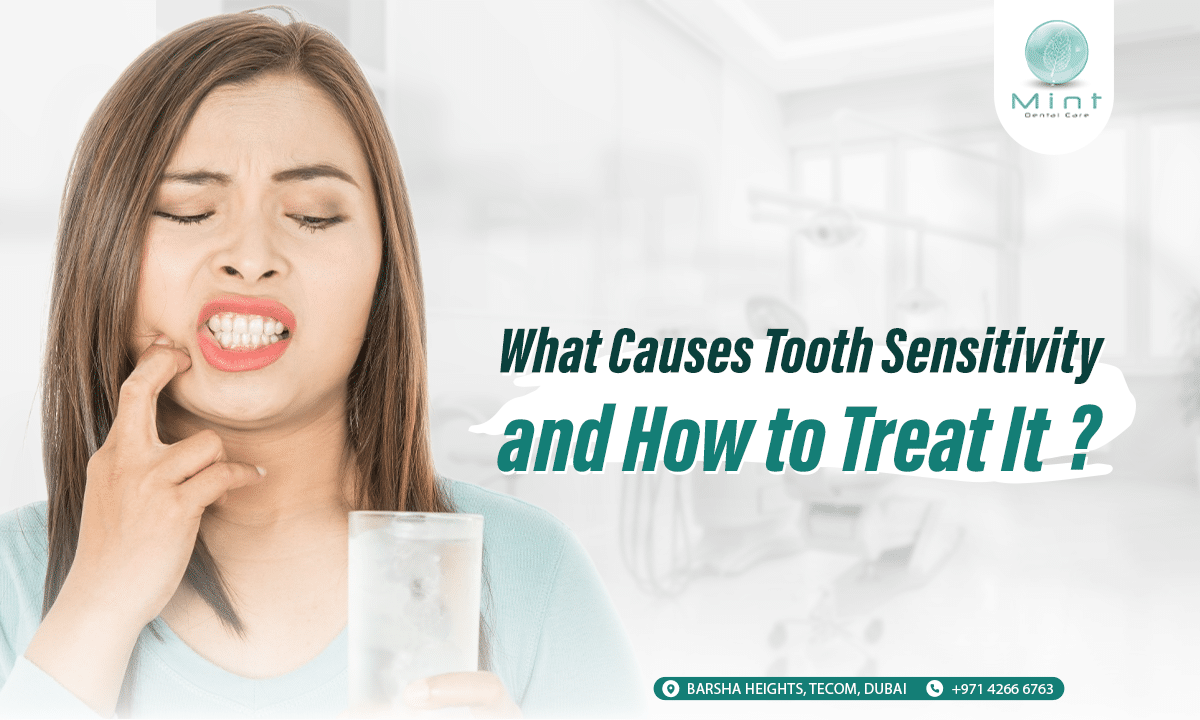
If you’ve ever winced while sipping a cold drink or felt a sharp twinge when brushing your teeth, you’re not alone. Tooth sensitivity is a common dental concern affecting people of all ages. Whether it’s triggered by hot coffee, cold water, or sweet foods, sensitivity can range from mild discomfort to intense pain.
At Mint Dental Care in Al Barsha, Dubai, we treat sensitive teeth with a personalized, modern approach that addresses both symptoms and the underlying cause. In this article, we’ll explore the most common causes of tooth sensitivity and the best ways to treat and prevent it.
What Is Tooth Sensitivity?
Tooth sensitivity—also known as dentin hypersensitivity—occurs when the inner layer of your tooth (dentin) becomes exposed. Dentin contains tiny nerve-filled channels that connect to the tooth’s nerve center. When exposed to certain stimuli—cold, heat, sugar, or even brushing—it can trigger sudden pain.
Common Causes of Tooth Sensitivity
To properly treat sensitivity, it’s important to understand what’s causing it. Here are the most common culprits:
1. Enamel Erosion
Enamel is the tooth’s protective outer layer. When it wears away, it exposes the dentin beneath.
Causes of enamel erosion include:
- Brushing too hard or using a hard-bristled toothbrush
- Consuming acidic foods and drinks (sodas, citrus, vinegar)
- Teeth grinding (bruxism)
- Natural wear over time
2. Gum Recession
Receding gums expose the tooth root, which lacks enamel and is highly sensitive.
Causes include:
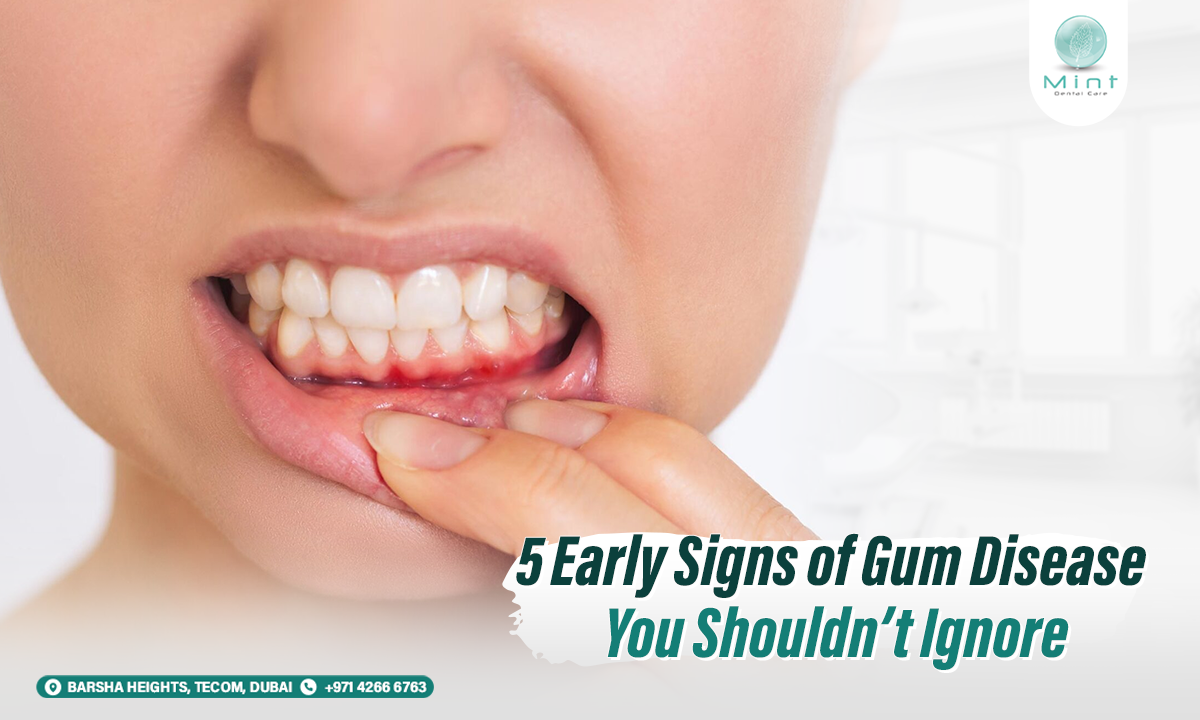
- Gum disease (gingivitis or periodontitis)
- Aggressive brushing
- Age-related changes
- Improper flossing technique
3. Tooth Decay or Cavities
When cavities form, they create holes in your enamel and dentin, allowing hot, cold, or sweet stimuli to reach the nerves.
4. Cracked or Chipped Teeth
Cracks or chips can expose the inner tooth structure, leading to sharp pain when chewing or drinking.
5. Recent Dental Treatments
Sensitivity after fillings, whitening, or cleanings is normal and usually temporary. However, ongoing discomfort may signal an underlying issue.
6. Worn Dental Work
Old fillings, crowns, or bridges may break down over time, leading to gaps that expose dentin or roots.
Symptoms of Tooth Sensitivity
You might have sensitive teeth if you experience pain or discomfort when:
- Drinking cold water or hot tea
- Eating sweet or acidic foods
- Brushing or flossing certain areas
- Breathing in cold air
- Biting or chewing
If the pain is sharp, sudden, and localized, it may indicate a more serious issue like a cavity, fracture, or infection—requiring immediate dental care.
How to Treat Tooth Sensitivity
At Mint Dental Care, we begin with a thorough examination to identify the cause of your sensitivity. Based on our findings, we’ll recommend one or more of the following treatments:
1. Desensitizing Toothpaste
Specially formulated toothpastes can block the pain signals from the nerve. We recommend:
- Brushing twice daily with a fluoride-based desensitizing toothpaste
- Avoiding whitening or abrasive products unless advised
2. Fluoride Treatments
Professional fluoride varnishes or gels strengthen enamel and reduce nerve exposure. This is a quick and effective in-clinic option for mild sensitivity.
3. Dental Bonding or Sealants
If the sensitivity is due to exposed roots or enamel loss, your dentist may apply a resin coating or dental sealant to cover the exposed area and protect it.
4. Gum Disease Treatment
If gum recession is the cause, a deep cleaning (scaling and root planing) may be required to remove plaque and bacteria. In advanced cases, gum graft surgery may be recommended.
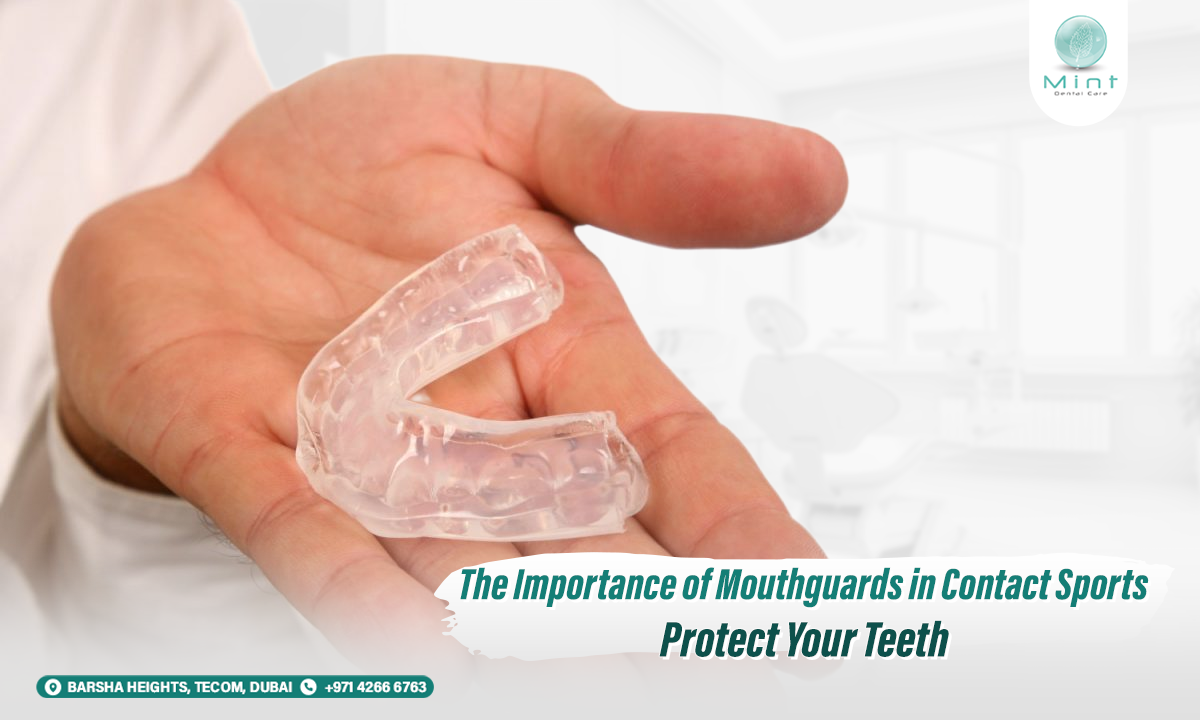
5. Nightguards for Teeth Grinding
For patients with bruxism, we offer custom nightguards to protect teeth from wear and reduce sensitivity caused by enamel damage.
6. Restorative Dental Work
Cracked teeth or decayed areas may need:
- Fillings
- Crowns
- Root canal therapy (if the nerve is severely affected)
At Mint Dental Care, we use biocompatible, tooth-colored materials for seamless, long-lasting results.
How to Prevent Tooth Sensitivity
Brush Gently, Not Aggressively
Use a soft-bristled toothbrush and fluoride toothpaste. Brush in small circles—not back and forth.
Avoid Acidic Foods and Drinks
Reduce intake of citrus, soda, energy drinks, and vinegar-based foods.
Wear a Mouthguard if You Grind
Protect your teeth from unnecessary wear with a custom-fitted guard.
Maintain Regular Dental Visits
Early detection helps prevent major enamel or gum damage. Book cleanings every six months.
Don’t Skip Flossing
Gently floss once daily to remove plaque and keep gums healthy.
Frequently Asked Questions (FAQs)
1. Can tooth sensitivity go away on its own?
Mild sensitivity can improve with better hygiene and desensitizing toothpaste. However, persistent or worsening pain should be assessed by a dentist.
2. Is sensitivity a sign of a cavity?
It can be. Cavities, cracks, and gum disease are all potential causes. A dental exam with X-rays can confirm the cause.
3. Are there long-term solutions for sensitive teeth?
Yes. Treatments like bonding, fluoride application, or gum grafts can provide long-term relief depending on the root cause.
4. Can children have sensitive teeth?
Yes. Children can develop sensitivity due to cavities, enamel erosion, or loose baby teeth. Pediatric exams are important for early detection.
5. Is sensitivity after whitening normal?
Yes, but it should be temporary. Using desensitizing toothpaste and avoiding extreme temperatures can help.
Why Choose Mint Dental Care in Dubai for Sensitive Teeth?
At Mint Dental Care, we take a comprehensive and compassionate approach to diagnosing and treating tooth sensitivity. Here’s what makes our clinic in Al Barsha, Dubai the preferred choice:
- Advanced diagnostics using 3D scanning and digital X-rays
- Personalized treatment plans based on the root cause
- Comfort-first care for anxious or sensitive patients
- Gentle pediatric dentistry for children with sensitivity
- Flexible scheduling and same-day appointments available
Don’t Live with Dental Pain—Get Relief Today
Tooth sensitivity isn’t just annoying—it can be a warning sign of a deeper issue. Let the experts at Mint Dental Care in Dubai help you treat and prevent sensitive teeth with professional, lasting care.
Call us now or book online to schedule your consultation and get back to enjoying life without the sting.