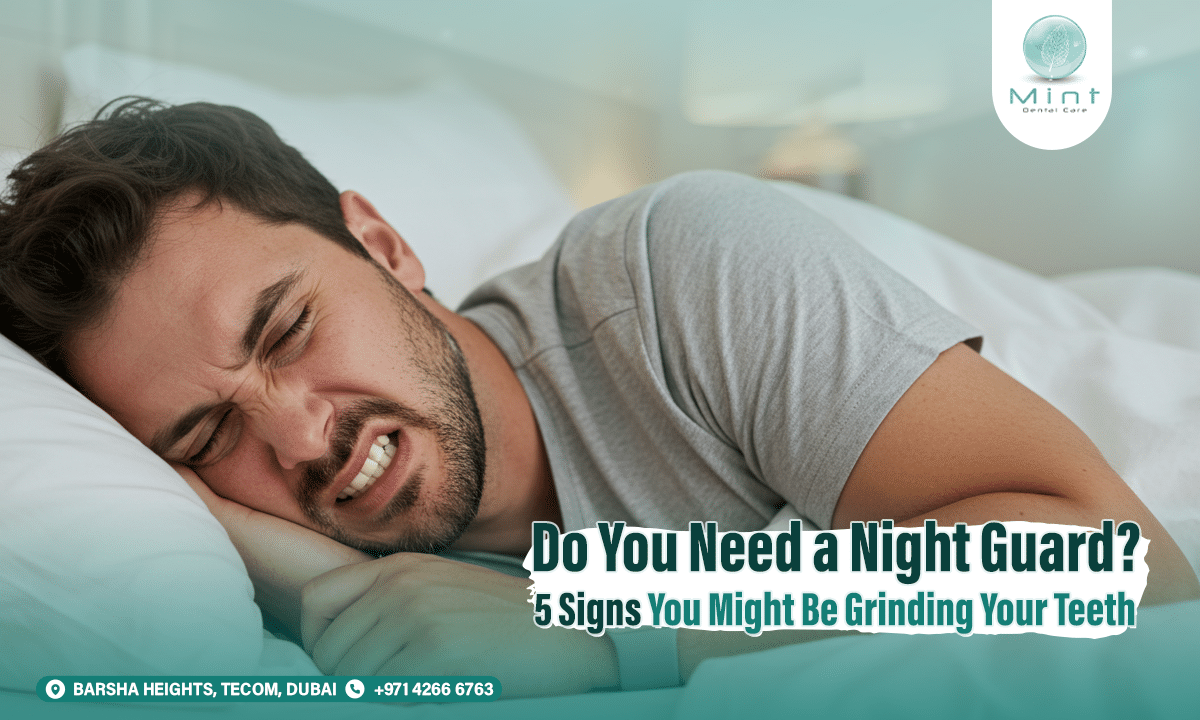
You wake up with a sore jaw. Your teeth feel sensitive. Maybe your partner even hears you grinding at night. Could these be signs of something deeper going on?
If you’re wondering, “Do you need a night guard?”, you’re not alone. Many people clench or grind their teeth in their sleep without even realizing it until the damage is already done.
At Mint Dental Care in Al Barsha, Dubai, we help patients protect their smiles from the silent harm of bruxism (that’s the technical name for teeth grinding). Keep reading to learn the five signs that might mean it’s time for a night guard and what you can do about it before things get worse.
Why Night Guards Matter
Night guards are custom-made dental appliances that act as a cushion between your upper and lower teeth. Worn during sleep, they absorb the pressure from clenching and grinding, preventing damage to teeth, enamel, and jaw joints.
But how do you know if you really need one?
Let’s take a closer look at the warning signs.
1. Morning Jaw Pain or Tightness
One of the most common signs is waking up with:
- A sore jaw
- Stiffness when chewing or speaking
- A sensation of pressure in your facial muscles
These symptoms often mean you’re clenching your jaw while asleep. Over time, this constant tension can lead to temporomandibular joint (TMJ) disorders, which cause pain, headaches, and even difficulty opening your mouth.
So, do you need a night guard? If mornings start with discomfort, your jaw might be sending you a clear message.
2. Tooth Sensitivity or Pain Without a Cause
Are your teeth suddenly more sensitive to hot, cold, or sweet foods even though you haven’t had a cavity in years?
Grinding wears away enamel, the outer layer that protects your teeth. Once enamel thins, nerves become more exposed, leading to uncomfortable sensitivity.
If this sounds familiar, you may be silently grinding your teeth night after night.
A custom night guard from Mint Dental Care can help protect your enamel before the damage becomes permanent.
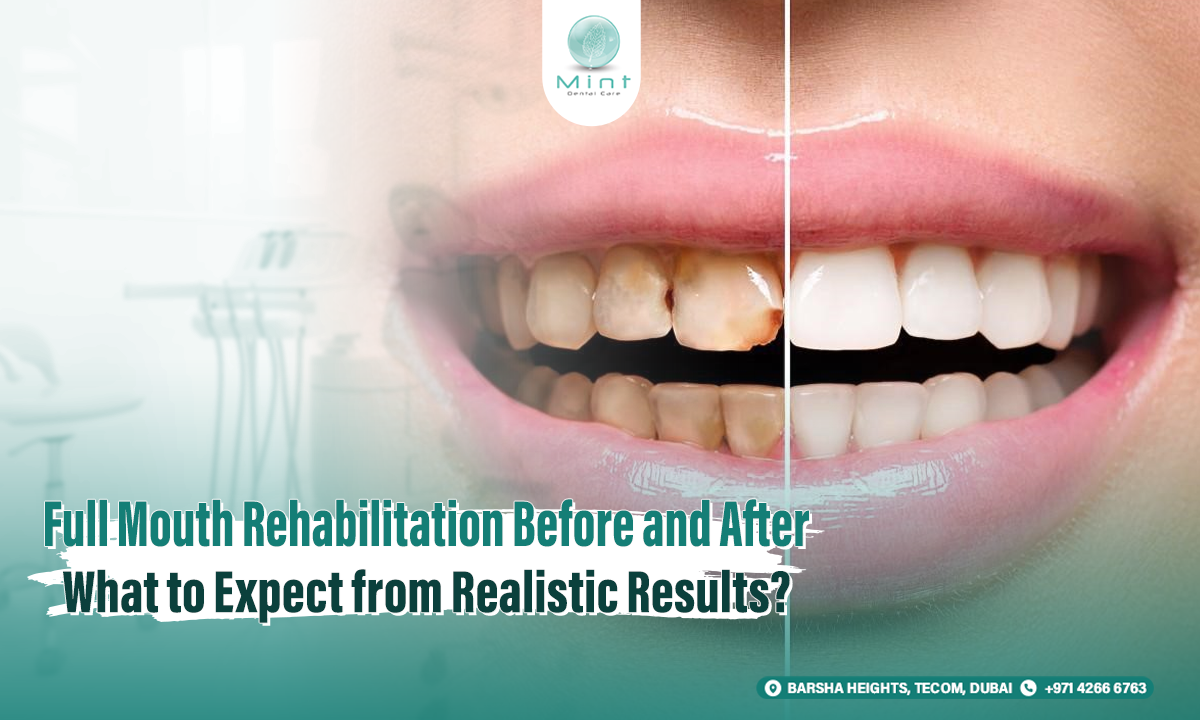
3. Flattened or Chipped Teeth
Take a look in the mirror. Are your front teeth starting to look shorter or flatter? Any small chips that weren’t there before?
These are clear signs of bruxism-related damage.
Grinding often applies more force than normal chewing. Over time, this can wear down your teeth’s natural shape or even cause fractures.
Do you need a night guard if your teeth look different? Absolutely. Preventing further wear is crucial to saving your natural tooth structure.
4. Headaches and Earaches in the Morning
Waking up with dull headaches or a pressure-like feeling near your ears?
Many people don’t realize that muscle tension from grinding radiates into the head and neck. It can mimic migraines or sinus pressure even though the root issue is actually oral.
A night guard works by keeping your jaw in a relaxed position and limiting muscle tension during sleep.
5. Your Partner Hears You Grinding at Night
If your partner hears a clicking, grinding, or popping sound while you sleep, it’s time to take action. Grinding can be surprisingly loud and persistent.
Even if you don’t feel pain now, that doesn’t mean damage isn’t happening.
Night guards don’t just protect your teeth they also improve sleep quality for both you and your partner.
So… Do You Need a Night Guard?
If one or more of the above signs sound familiar, it’s time to consider a night guard. At Mint Dental Care, we don’t believe in one-size-fits-all solutions. Instead, we create:
- Custom-fitted night guards based on digital scans of your teeth
- Comfortable, durable materials that fit snugly (no bulky feeling)
- Personalized guidance on how to wear and care for your guard
Whether your symptoms are mild or severe, early intervention can save you pain, time, and money.
FAQs: Do You Need a Night Guard?
1. Can I buy a night guard over the counter?
Store-bought guards may help temporarily, but they often don’t fit properly and can cause discomfort. A custom guard is safer and more effective.
2. Will insurance cover a night guard?
Some plans do ask our front desk team and we’ll help you check.
3. Can a night guard help with headaches?
Yes. By reducing tension in your jaw, night guards often relieve morning headaches caused by clenching.
4. How long does a custom night guard last?
With proper care, most last several years. We’ll check its condition during your regular visits.
5. Is wearing a night guard uncomfortable?
Most patients get used to it within a few nights. Custom designs from Mint Dental Care prioritize comfort and ease.
6. Can children or teens use night guards?
Yes but only after a dentist confirms it’s necessary. We offer guards specifically designed for growing mouths.