In contact sports, athletes often think first about helmets, pads, shoes, and physical conditioning. But one of the most important pieces of protective equipment is often overlooked: the mouthguard. Whether the sport is football, boxing, rugby, hockey, basketball, martial arts, or wrestling, the risk of injury to the teeth, lips, cheeks, and jaw is real. A single blow to the face can result in a chipped tooth, a broken tooth, a knocked-out tooth, soft tissue injury, or even jaw trauma. That is why understanding the importance of mouthguards in contact sports is essential for athletes, parents, and coaches alike.
At Mint Dental Care, we believe prevention is one of the smartest forms of dental care. A mouthguard may look simple, but it can play a major role in protecting your smile during training and competition. For children, teenagers, and adults who play sports in Dubai, using the right sports mouthguard is not just a recommendation. It is one of the best ways to reduce the risk and severity of dental injury.
Why Dental Injuries Are Common in Contact Sports
Contact sports place the mouth and face at constant risk. Direct collisions, elbows, falls, balls, sticks, and accidental blows can all cause serious oral injuries in seconds. While people often associate mouth trauma with high-impact sports like boxing or rugby, dental injuries are not limited to those activities alone. Athletes can also get injured in sports that involve speed, falls, or sudden player-to-player contact.
This is why mouthguards matter so much. They help absorb and distribute force, reducing the direct impact on the teeth and surrounding tissues. Instead of the full force being transferred immediately to the mouth, the mouthguard acts as a protective barrier.
What a Mouthguard Actually Protects
Many people assume a mouthguard only protects the front teeth. In reality, its role is much broader. A properly fitted mouthguard can help reduce the risk of broken teeth, knocked-out teeth, lip injuries, cheek injuries, gum trauma, and strain from blows to the jaw. It can also reduce the damage that occurs when the teeth slam together during impact.
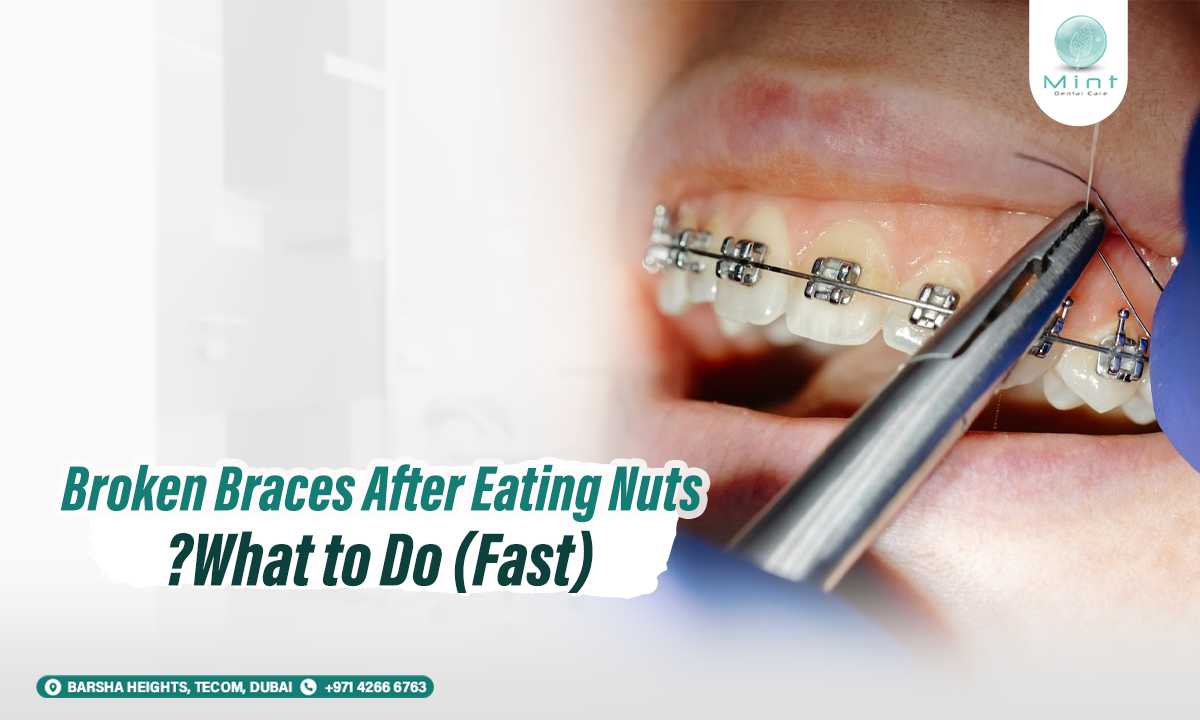
For athletes who wear braces, mouthguards are even more important. Without a mouthguard, a blow to the face can drive brackets and wires into the lips, cheeks, and gums, increasing both dental and soft tissue injury. In these cases, the mouthguard acts as a cushion between the orthodontic appliance and the soft tissues of the mouth.
Why Mouthguards Matter Even More Than Many Athletes Realize
A sports injury does not always end with a minor chip that can be polished away. Dental trauma can lead to pain, emergency treatment, root canal therapy, cosmetic repair, missed training time, and long-term expense. A knocked-out permanent tooth can be especially serious. Even when a tooth is saved, the treatment journey may be long and unpredictable.
This is why protect your teeth in sports is not just a slogan. It is a real preventive priority. A mouthguard is one of the simplest and most cost-effective ways to reduce the severity of sports-related oral injuries before they happen.
At Mint Dental Care, we often remind patients that restoring a damaged smile is always more complicated than protecting it in the first place.
Which Sports Need a Mouthguard?
The obvious answer is contact sports, but the safer answer is broader than that. Any sport with risk of facial contact, impact, falling, or flying equipment can justify a mouthguard. This includes football, rugby, boxing, martial arts, hockey, wrestling, basketball, lacrosse, and handball. It can also include activities such as skateboarding, cycling, gymnastics, field events, and skating.
Some athletes wrongly assume they only need a mouthguard if the sport officially requires it. But rules do not always reflect full risk. In real life, many dental injuries happen in sports where mouthguards are recommended but not universally mandated.
For families in Dubai, especially those with active children and teenagers, it is wise to think beyond formal rules and focus on actual injury risk.
Types of Sports Mouthguards
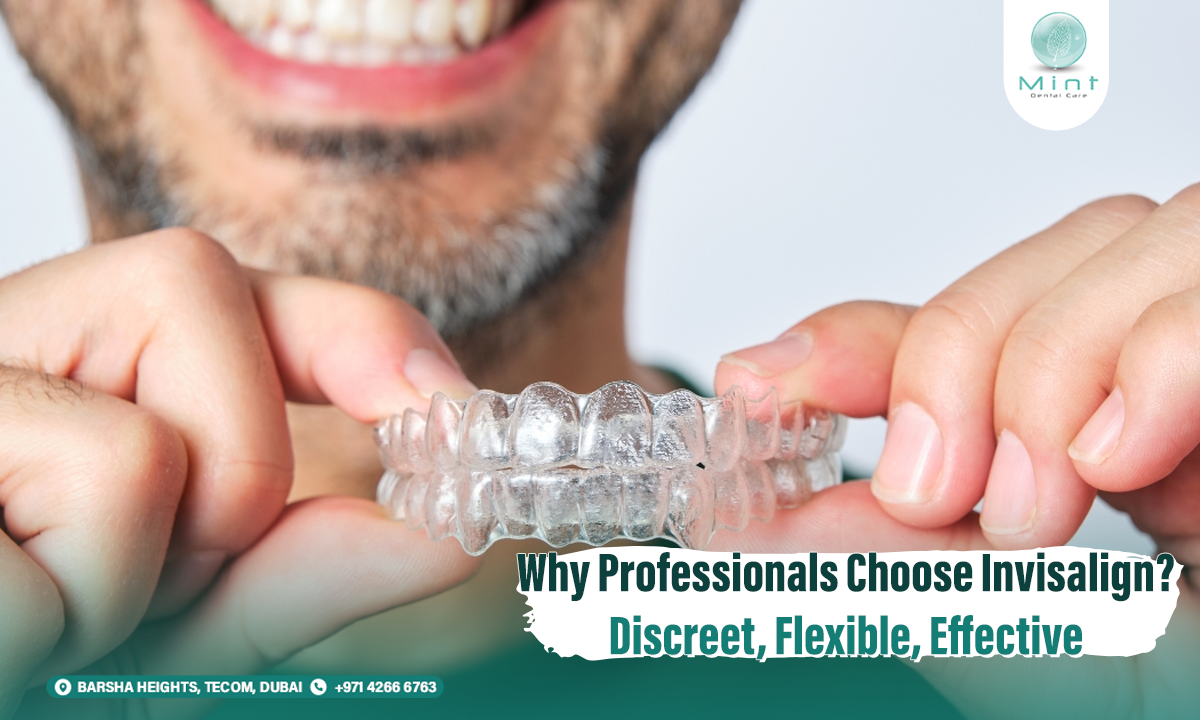
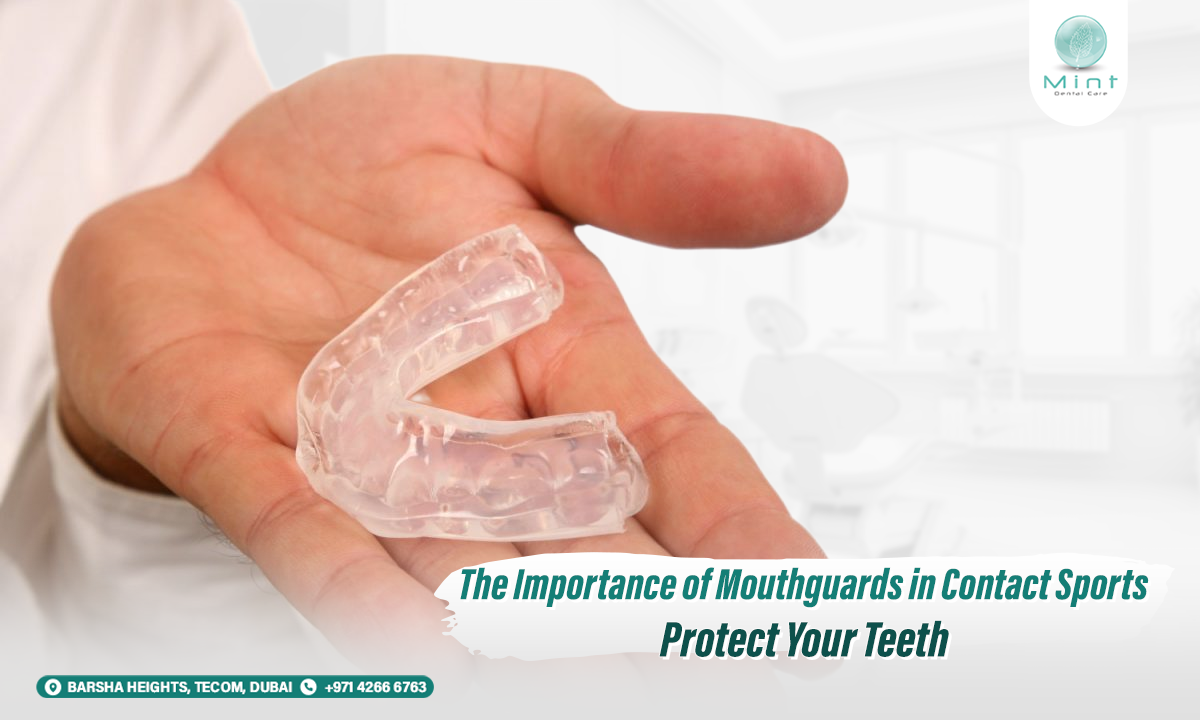
There are three common categories of sports mouthguards. The first is the stock mouthguard, which comes pre-formed and ready to wear. The second is the boil-and-bite type, which softens in hot water and is shaped at home for a more customized fit. The third is the custom-made mouthguard, which is designed by a dentist to match the exact shape of the patient’s teeth and mouth.
Stock mouthguards are the least expensive, but they are usually the least comfortable and least secure. They can feel bulky and may interfere with breathing and speaking. Boil-and-bite mouthguards can offer a better fit than stock versions, but the quality and retention vary widely depending on the material and how well the shaping process is done.
Custom-made mouthguards are generally considered the best option for fit, comfort, and reliable protection. Because they are tailored to the athlete’s mouth, they tend to stay in place better and feel more natural during activity. This matters because the best mouthguard is the one the athlete will actually wear consistently.
Why Fit Matters So Much
Not all mouthguards protect equally. A mouthguard only works well when it fits properly, stays in place, and allows the athlete to breathe and communicate comfortably. If it feels loose, bulky, or distracting, the athlete is more likely to remove it or wear it incorrectly.
A good sports mouthguard should cover the teeth it is meant to protect, stay securely in position, feel comfortable, and provide enough cushioning to absorb impact. It should not make breathing difficult or cause unnecessary gagging. Comfort is not a luxury here. It is part of compliance. If a mouthguard is unpleasant to wear, the athlete may leave it in the sports bag instead of in the mouth, which defeats the purpose entirely.
Mouthguards for Athletes With Braces
Athletes with braces need special attention when it comes to mouth protection. Braces already add metal components to the mouth, and a direct blow can turn those brackets and wires into a source of additional injury. A sports impact without a mouthguard may damage the braces and also cut the inside of the lips and cheeks.
This is why a mouthguard for braces is especially important. Patients with braces should speak to their dentist or orthodontist before choosing one. Standard boil-and-bite mouthguards are not always the right choice for orthodontic patients. In many cases, a stock design specifically made for braces or a custom approach is more appropriate.
At Mint Dental Care, this is especially relevant for younger patients and teens undergoing orthodontic care while also participating in school or club sports.
Mouthguards and Children in Sports
Children and teenagers are among the athletes who can benefit most from sports mouthguards. They are active, often participate in multiple sports, and may not always appreciate the long-term consequences of dental trauma. At the same time, their mouths are still developing, and a serious sports injury can affect both appearance and oral function for years.
Parents sometimes focus on helmets and shin guards while forgetting mouth protection. But from a dental perspective, mouthguards deserve a place in the standard sports checklist. A broken front tooth in childhood or adolescence can lead to years of follow-up treatment, repairs, and cosmetic concerns.
A simple protective habit established early can make a major difference.
Can Mouthguards Reduce Concussion Risk?
This is an area where patients often hear strong claims online. The most accurate answer is that mouthguards are clearly recommended for reducing dental and soft tissue injuries, and some research has suggested they may also help reduce certain impact forces from blows to the jaw. However, mouthguards should not be marketed as a guaranteed concussion prevention device.
The most responsible message is this: wear a mouthguard because it is proven to help protect the teeth, mouth, and surrounding oral structures. Any possible wider benefit is secondary and should not distract from its primary protective role.
Common Reasons Athletes Avoid Mouthguards
Even when athletes know mouthguards are useful, some still avoid them. The most common reasons are discomfort, difficulty speaking, trouble breathing, forgetting them, or feeling that they interfere with performance. In many cases, these complaints are linked to poor fit rather than the idea of a mouthguard itself.
This is why choosing the right type matters. A poorly fitting mouthguard can feel like an obstacle. A well-fitted one usually becomes much easier to tolerate with regular use. Coaches and parents should also remember that athletes are more likely to use protective gear consistently when it feels normal, comfortable, and part of routine preparation.
How to Care for a Sports Mouthguard
A mouthguard should be treated as a hygiene item, not just sports equipment. It should be rinsed before and after use and cleaned regularly. It should be stored in a ventilated protective case so it can dry properly. It should never be left in hot water, direct sunlight, or a hot car, because heat can distort the material and affect the fit.
Athletes should also inspect their mouthguard regularly for wear, cracks, or looseness. If it becomes damaged or stops fitting well, it should be replaced. Children and teens may need replacement more often because their mouths continue to grow and change.
Good care extends the life of the mouthguard and helps keep it safe and effective.
When Should a Mouthguard Be Replaced?
A mouthguard should be replaced when it becomes damaged, ill-fitting, or too worn to provide reliable protection. If an athlete is growing, the fit may change even if the mouthguard looks fine from the outside. Orthodontic treatment, tooth eruption, or significant dental changes can also make replacement necessary.
This is another reason routine dental checkups matter. A dentist can examine the mouthguard and help determine whether it is still doing its job properly.
Why Prevention Matters More Than Repair
From a dental point of view, prevention is always the better path. Repairing chipped or broken teeth may involve bonding, veneers, crowns, root canal treatment, or long-term monitoring. Replacing a knocked-out tooth can involve complex restorative dentistry or even implants later in life. The emotional impact also matters. A front-tooth injury can affect confidence, speech, eating, and smiling.
A sports mouthguard cannot eliminate every risk, but it can significantly improve the odds in your favor. That makes it one of the smartest small decisions an athlete can make.
Mouthguards and Dental Care at Mint Dental Care
At Mint Dental Care, we understand that oral health does not stop at brushing and flossing. Lifestyle, sports participation, orthodontic treatment, and preventive habits all influence long-term smile health. For active patients in Dubai, especially children, teens, and young adults involved in contact sports, discussing mouth protection during regular dental visits is an important part of preventive care.
Our clinic provides comprehensive dental care in a modern and comfortable setting, including routine dental checkups, orthodontic care, cosmetic dentistry, children’s dentistry, and restorative treatments. That means we can help patients protect their smiles before injuries happen and also guide them if dental trauma ever occurs.
Final Thoughts
The importance of mouthguards in contact sports should never be underestimated. They help protect teeth, lips, cheeks, gums, and jaws from injuries that can happen in seconds and last for years. Whether you are a parent of a young athlete, a teen wearing braces, or an adult who plays competitive or recreational sports, using the right sports mouthguard is one of the easiest ways to protect your smile.
The best time to think about sports dental injury is before it happens. A properly fitted mouthguard is not just a small plastic accessory. It is a practical shield for one of the most visible and valuable parts of your health.
Book a Dental Checkup at Mint Dental Care
If you or your child plays contact sports and you want professional guidance on protecting your teeth, book a consultation at Mint Dental Care. Our team can help assess your oral health, discuss sports-related dental risks, and guide you on the best way to protect your smile during athletic activity.