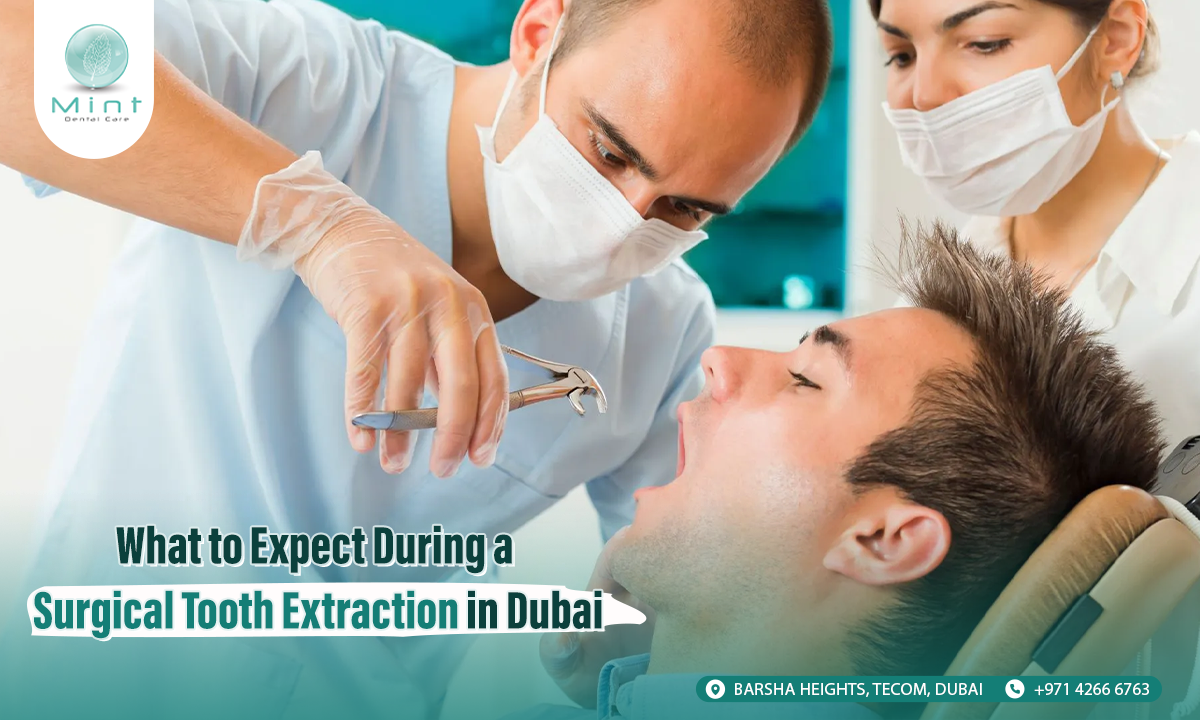
When facing the need for oral surgery, many patients feel anxious and uncertain, One of the most common procedures performed in dental clinics is a surgical extraction. If you’re wondering What to Expect During a Surgical Tooth Extraction in Dubai, this guide will help you understand the process step by step, From the reasons behind surgical removal to the aftercare you’ll need, here’s everything you should know.
Why Do You Need a Surgical Tooth Extraction?
Surgical tooth extraction becomes necessary when a tooth cannot be removed easily through simple extraction, Dentists in Dubai may recommend it in cases such as:
- Impacted wisdom teeth pressing against other teeth.
- Severe tooth decay that damages the crown and root.
- Broken teeth below the gum line.
- Teeth causing infection or overcrowding.
Knowing What to Expect During a Surgical Tooth Extraction in Dubai starts with understanding why your dentist advises this procedure, It’s not just about removing a tooth but preventing more serious oral health problems.
Initial Consultation and X-rays
Before the extraction, your dentist or oral surgeon will conduct a full evaluation,This usually includes:
- Reviewing your medical and dental history.
- Taking X-rays to assess the position of the tooth and roots.
- Checking for signs of infection or complications.
This step is crucial to determine the complexity of the procedure. Many patients worry about pain, but discussing What to Expect During a Surgical Tooth Extraction in Dubai with your dentist during the consultation helps ease those concerns.
Anesthesia and Sedation Options
One of the biggest questions patients ask is whether the procedure hurts. The good news is that anesthesia ensures you don’t feel pain during the surgery, In Dubai clinics, options may include:
- Local anesthesia: Numbs the specific area.
- Sedation anesthesia: Administered through IV for relaxation.
- General anesthesia: Used for complex cases, making the patient fully unconscious.
Understanding these options is a key part of What to Expect During a Surgical Tooth Extraction in Dubai; Your dentist will recommend the most suitable choice for your comfort and safety.
Step-by-Step Surgical Procedure
During the actual extraction, the oral surgeon follows a structured process:
- Numbing the area with the chosen anesthesia.
- Making a small incision in the gum to expose the tooth.
- Removing bone tissue if necessary.
- Extracting the tooth, sometimes in sections to make removal easier.
- Cleaning the site and stitching the gums if required.
By knowing What to Expect During a Surgical Tooth Extraction in Dubai, patients can prepare mentally for this process and reduce anxiety.
How Long Does the Surgery Take?
The duration of surgical tooth extraction depends on the complexity of the case. A straightforward removal may take 20–40 minutes, while impacted teeth could require up to an hour. Being aware of What to Expect During a Surgical Tooth Extraction in Dubai helps you plan your time and recovery schedule in advance.
Recovery Timeline and Healing
After surgery, proper recovery is crucial, and by following the following schedule the recovery journey is faster and guarantee:
- First 24 hours: Rest and manage bleeding with gauze.
- 48–72 hours: Swelling and mild discomfort are common.
- 1 week: Stitches, if used, may be removed.
- 2 weeks: Most people feel fully recovered.
Clear knowledge of What to Expect During a Surgical Tooth Extraction in Dubai also includes understanding how long healing will take and what signs indicate normal progress.
Pain Management and Medications
Post-surgical discomfort is normal, but it can be managed effectively, Dentists in Dubai typically prescribe:
- Over-the-counter pain relievers or stronger medications.
- Antibiotics if there’s a risk of infection.
- Antiseptic mouthwash to keep the area clean.
When learning What to Expect During a Surgical Tooth Extraction in Dubai, it’s important to remember that following your dentist’s prescription ensures a smooth recovery.
Dietary and Lifestyle Adjustments
What you eat and how you care for your mouth after surgery can speed up healing:
- Stick to soft foods like yogurt, soups, and mashed potatoes.
- Avoid hot, spicy, or hard foods that can irritate the site.
- Don’t use straws, as suction can cause a dry socket.
- Refrain from smoking or alcohol during recovery.
These lifestyle tips are a major part of What to Expect During a Surgical Tooth Extraction in Dubai because they help prevent complications.
Common Risks and Complications
While surgical tooth extraction is safe, there are risks to be aware of:
- Dry socket: Painful condition if the blood clot dislodges.
- Infection: Redness, pus, or fever may indicate an issue.
- Nerve injury: Rare but possible near lower wisdom teeth.
Being informed about these possibilities is another key point of What to Expect During a Surgical Tooth Extraction in Dubai.
Cost of Surgical Tooth Extraction in Dubai
The cost can vary depending on several factors:
- Complexity of the extraction.
- Clinic location and dentist’s expertise.
- Additional sedation or anesthesia fees.
On average, surgical tooth extraction in Dubai ranges between AED 800 and AED 2,500 per tooth. Knowing What to Expect During a Surgical Tooth Extraction in Dubai also means preparing financially for the treatment.
Choosing the Right Dental Clinic
Selecting a trusted dental clinic is essential for a safe experience. Consider:
- 24/7 emergency availability.
- Modern equipment and sterilization standards.
- Positive patient reviews.
- Qualified oral surgeons with international training.
Patients who understand What to Expect During a Surgical Tooth Extraction in Dubai also know the importance of choosing a reliable clinic for peace of mind.
Final
Although the idea of oral surgery can feel intimidating, being informed makes the experience less stressful. By knowing What to Expect During a Surgical Tooth Extraction in Dubai, you’ll walk into the clinic with confidence, follow recovery guidelines carefully, and return to your normal routine faster. Trust your dentist’s instructions, maintain good oral hygiene, and remember that this procedure is often the best step toward long-term dental health.