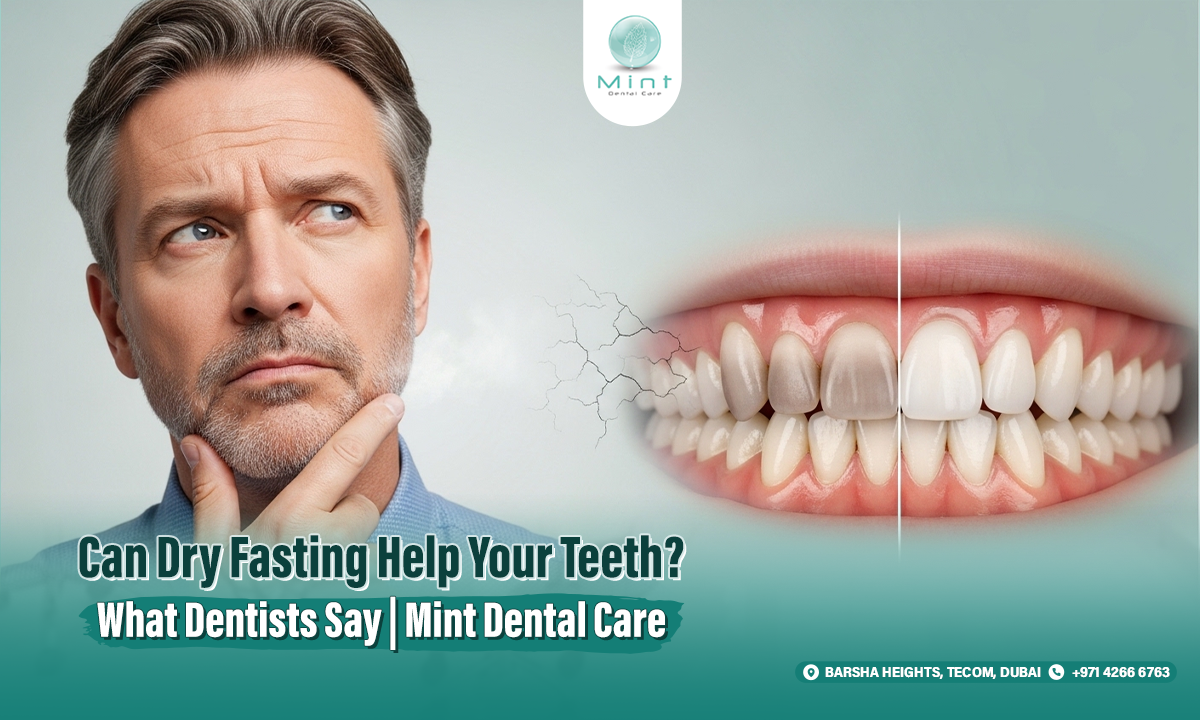
Dry fasting is a topic that often raises questions, especially among people who care about their overall wellness, daily comfort, and oral health. In Dubai, where many residents observe fasting during Ramadan and others explore fasting as part of lifestyle or wellness routines, one question comes up frequently: can dry fasting help your teeth, or can it put your oral health at risk?
At Mint Dental Care, we believe patients deserve clear, honest, and practical answers. Fasting can affect the mouth in several ways, and while some people notice changes in their breath, saliva, and teeth during fasting hours, not all of those changes are harmful. The real answer depends on your hydration, oral hygiene habits, current dental condition, and what you eat when you break your fast.
This article explains what dry fasting does to the mouth, whether it offers any real dental benefits, and what our dentists recommend to protect your smile. If you are searching for trusted advice from a dental clinic in Dubai, this guide will help you understand the relationship between dry fasting and teeth in a realistic, professional, and easy-to-follow way.
What Is Dry Fasting?
Dry fasting means going without both food and water for a set period of time. It is different from other fasting methods, such as intermittent fasting, where water is still allowed. Dry fasting is most commonly associated with religious fasting, especially during Ramadan, but some people also follow it for personal or wellness reasons.
From a dental point of view, the biggest issue is not the absence of food. It is the absence of water. When you do not drink water for several hours, your mouth naturally becomes drier, and that affects how well your oral tissues can protect themselves.
This is why dry fasting oral health is such an important topic. The mouth depends heavily on saliva to stay balanced, comfortable, and clean throughout the day.
Why Saliva Matters More Than Most People Think
Many patients only think about brushing and flossing when they think about oral care. But saliva is one of the body’s most important natural defenses against dental problems.
Saliva helps rinse away food debris, neutralize acids, support enamel repair, lubricate the mouth, and control the growth of bacteria. Without enough saliva, the mouth becomes more vulnerable to plaque buildup, irritation, tooth sensitivity, and unpleasant breath.
This is why dry mouth during fasting is so common and why it matters. When saliva flow drops, the entire oral environment changes. Your mouth may feel sticky, your breath may worsen, and bacteria may stay active for longer periods.
At Mint Dental Care, we often explain to patients that saliva is not just moisture. It is protection. When hydration is reduced, the mouth loses part of its natural defense system.
Can Dry Fasting Help Your Teeth?
The honest answer is that dry fasting does not directly strengthen teeth. It is not a treatment for cavities, gum disease, or enamel problems. However, there are certain indirect ways fasting may reduce some common dental risks, especially if it leads to fewer eating episodes and better oral discipline.
That said, any possible benefit only happens when fasting is paired with proper hygiene, balanced meals, and smart hydration outside fasting hours. Without those habits, dry fasting can easily create the opposite effect.
So when patients ask, can dry fasting help your teeth, the professional answer is this: it may reduce some harmful eating patterns, but it can also increase dryness and bacterial activity if the mouth is not cared for correctly.
Potential Oral Health Benefits of Dry Fasting
Fewer Meals Can Mean Fewer Acid Attacks
Every time you eat or drink something other than water, the bacteria in your mouth feed on sugars and carbohydrates and produce acids. These acids soften enamel and increase the risk of tooth decay. People who snack frequently throughout the day expose their teeth to repeated acid attacks.
During dry fasting, there are fewer eating occasions. That can reduce the number of times the teeth are exposed to sugars and acid-producing foods. If a person normally snacks often, fasting may give the mouth fewer opportunities for decay-causing activity.
This is one reason why some people think fasting may benefit oral health. In a strict sense, the benefit does not come from dryness. It comes from reduced snacking.
More Awareness of Oral Hygiene
Many people become more mindful of self-care during fasting periods, especially during Ramadan. They may brush more carefully before the fast begins and again after breaking the fast. They may also pay closer attention to what they eat and how their mouth feels.
This increased awareness can improve oral hygiene habits, especially when supported by professional dental advice. At Mint Dental Care, we often encourage patients to use fasting periods as an opportunity to build stronger home care routines.
Less Sugary Grazing During the Day
Frequent sweets, coffee drinks, flavored beverages, and processed snacks can contribute to plaque buildup and cavities. If fasting helps reduce that pattern, the teeth may benefit from less sugar exposure during the day.
However, this advantage disappears if a person replaces daytime snacking with heavy sugar intake at night. That is why what you eat after fasting matters just as much as the fasting itself.
The Risks of Dry Fasting for Teeth and Gums
Dry Mouth Can Increase Bacterial Activity
The most common oral effect of dry fasting is dry mouth. When the mouth loses moisture, saliva flow slows down, and bacteria are not cleared away as efficiently. This gives harmful bacteria more time to remain on the teeth, tongue, and gumline.
A dry mouth does not automatically cause cavities in a single day, but repeated dryness can contribute to a higher risk of dental problems over time. This is especially true for people who already have plaque buildup, gum inflammation, untreated decay, or existing dental work that needs monitoring.
Bad Breath During Fasting Is Very Common
One of the most noticeable changes people experience is bad breath during fasting. This happens for several reasons. First, reduced saliva allows odor-causing bacteria to stay active in the mouth. Second, food particles and bacteria on the tongue may produce sulfur compounds. Third, the body may shift into a different metabolic state during fasting, which can change the smell of the breath.
At Mint Dental Care, we reassure patients that this is common, but we also remind them that persistent bad breath may not be caused by fasting alone. In some cases, it may be linked to gum disease, tooth decay, plaque buildup, or oral infection.
Gum Irritation May Become More Noticeable
If the gums are already inflamed, dry fasting may make the mouth feel more uncomfortable. Dry tissues can become irritated more easily, especially if oral hygiene is inconsistent or if a person consumes sticky, sugary, or highly processed foods after breaking the fast.
People with gingivitis or early gum disease should be especially careful. Fasting does not cause gum disease, but a dry oral environment can make symptoms more obvious.
Sensitivity Can Feel Worse
Some patients report that their teeth feel more sensitive during fasting periods. This may happen because a dry mouth offers less natural lubrication and protection. Sensitive teeth may feel more uncomfortable when eating hot, cold, or sweet foods after a long fasting day.
If tooth sensitivity continues, it is important to see a dentist. Sensitivity may point to enamel wear, gum recession, decay, or a crack in the tooth.
Does Dry Fasting Cause Cavities?
Dry fasting itself does not directly cause cavities. Cavities develop when bacteria, sugars, and acids damage the enamel over time. But dry fasting can create a condition where cavity risk becomes higher if the mouth is not properly cared for.
The main risk factors are reduced saliva, poor cleaning habits, sugary foods after the fast, and untreated plaque buildup. In other words, fasting changes the environment of the mouth, and that environment can become less healthy if preventive care is ignored.
This is why regular dental checkups are still essential, especially for anyone who already has fillings, crowns, gum problems, or a history of frequent cavities.
What Dentists at Mint Dental Care Recommend
Brush at the Right Times
One of the best ways to protect fasting and dental health is to brush at the right times. We recommend brushing thoroughly after the pre-dawn meal and again after the evening meal. Use a fluoride toothpaste and take your time rather than brushing too quickly.
This helps remove plaque, clean the gumline, and reduce the bacterial load before and after fasting hours.
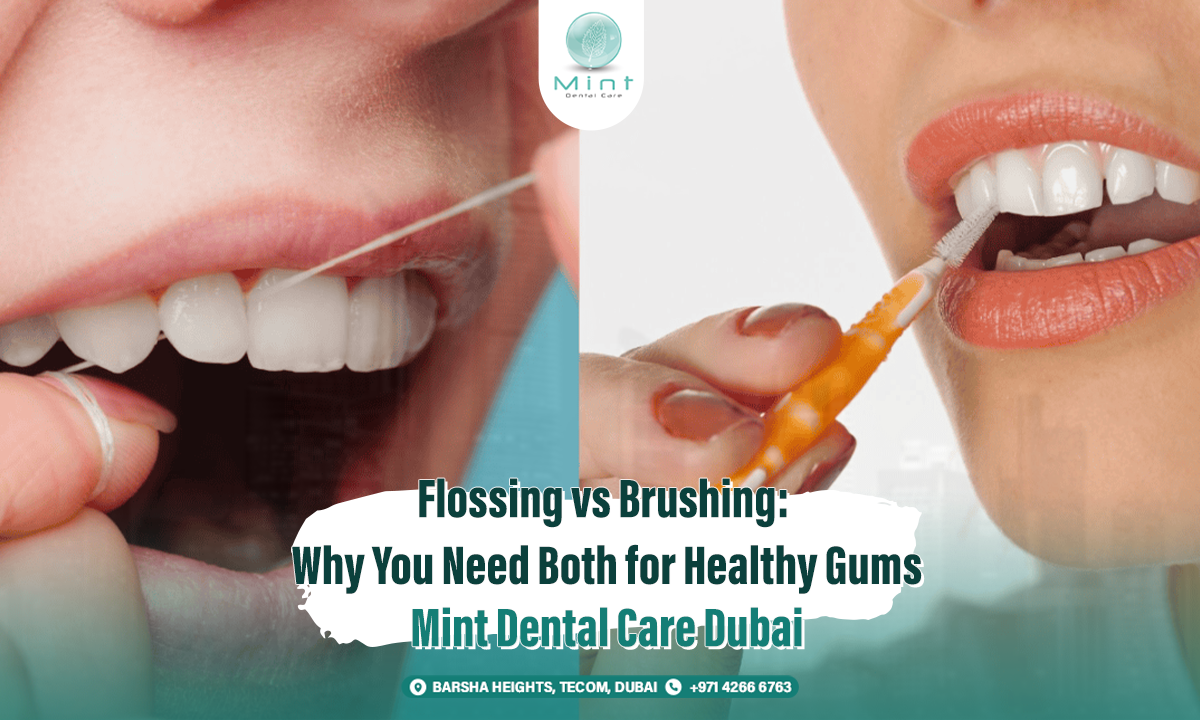
Do Not Skip Flossing
Flossing is essential because plaque between the teeth can still cause inflammation and decay even when meals are limited. If food remains trapped overnight after Iftar, it gives bacteria more time to work on the teeth.
Floss once daily, preferably after the final meal of the day. Patients who wear braces or have tight contacts between teeth may benefit from floss picks or interdental brushes recommended by their dentist.
Clean the Tongue
A coated tongue is one of the biggest causes of bad breath during fasting. Bacteria and debris collect on the tongue’s surface, especially when the mouth is dry. Use a tongue scraper or the back of your toothbrush gently every day.
This simple step can make a noticeable difference in freshness and comfort.
Hydrate Well Outside Fasting Hours
The best support for saliva comes from good hydration when water is allowed. Drink water steadily between sunset and sunrise rather than trying to drink everything at once. Limit excessive caffeine, energy drinks, and sugary beverages, because they may leave the mouth feeling even drier.
Hydration is especially important in Dubai because heat and air conditioning can both contribute to dehydration and oral dryness.
Choose Your Iftar Foods Wisely
The foods you eat after fasting have a direct effect on your teeth. Sticky desserts, sweet drinks, refined carbohydrates, and frequent nighttime snacking can increase decay risk. Try to balance your meals with water, fiber-rich foods, proteins, and less sugary options when possible.
Enjoying desserts occasionally is fine, but repeated exposure to sugar without proper brushing can undo any benefit gained from fewer meals during the day.
Use Alcohol-Free Mouthwash if Needed
An alcohol-free mouthwash may help reduce bacteria and improve freshness, particularly for patients who struggle with breath odor. Avoid harsh rinses that create a burning sensation or leave the mouth feeling overly dry.
A dentist can recommend the right mouthwash based on your needs, especially if you have sensitive gums or dry mouth.
Ramadan and Oral Health in Dubai
For many families in the UAE, fasting is not simply a diet practice. It is part of a deeply meaningful spiritual routine. During Ramadan, oral care should remain part of that routine, not something secondary.
At Mint Dental Care, we understand the lifestyle, climate, and daily rhythm of patients in Dubai. We know that long fasting hours, warm weather, evening social meals, and changing sleep schedules can all affect oral health. That is why our approach is practical, personalized, and respectful of each patient’s routine.
If you are observing Ramadan and notice dry mouth, gum irritation, sensitivity, or changes in your breath, it does not always mean something is seriously wrong. But it may be a sign that your mouth needs extra support during the fasting period.
Who Should Be Extra Careful While Dry Fasting?
Some people should pay closer attention to their oral health during fasting than others. This includes patients with active gum disease, frequent cavities, braces, dental implants, crowns, veneers, or a history of dry mouth. Children, older adults, and patients taking medications that reduce saliva may also experience more dryness.
If you have ongoing dental concerns, a checkup before or during the fasting season can help prevent discomfort and give you a clear oral care plan.
At Mint Dental Care, our team offers comprehensive care for preventive dentistry, gum treatment, cosmetic dentistry, orthodontics, root canal treatment, dental implants, and children’s dentistry. That means we can support patients with very different needs under one roof.
When Should You See a Dentist?
You should not ignore symptoms just because you are fasting. It is a good idea to book a dental visit if you notice bleeding gums, persistent bad breath, sharp tooth pain, visible cavities, swelling, severe dryness, or ongoing sensitivity.
Small dental problems can become larger ones if left untreated. Early care is always easier, more comfortable, and more cost-effective than waiting until pain becomes severe.
As a trusted dentist in Dubai, Mint Dental Care focuses on early diagnosis, patient comfort, and tailored treatment planning. Our modern clinic environment and advanced technology help patients feel confident about every stage of care.
Final Verdict: Can Dry Fasting Help Your Teeth?
So, can dry fasting help your teeth? In some limited ways, yes. It may reduce frequent snacking and lower the number of daily acid attacks on enamel. It may also encourage better discipline around oral hygiene and meal timing.
But dry fasting is not a direct dental benefit on its own. The lack of water can reduce saliva, increase dryness, worsen breath odor, and make the mouth more vulnerable if oral care is poor. The real outcome depends on how well you care for your teeth before and after fasting hours.
The healthiest approach is not to rely on fasting to improve your smile. Instead, use fasting periods as a time to strengthen healthy habits: brush thoroughly, floss daily, clean your tongue, stay hydrated when possible, and limit sugary foods after breaking the fast.
If you want expert guidance on dry fasting and teeth, or if you are concerned about dry fasting oral health, the team at Mint Dental Care is here to help.
Book Your Consultation at Mint Dental Care
At Mint Dental Care, we are committed to helping patients enjoy healthy, confident smiles in a calm and modern setting. Whether you need a routine dental checkup, professional cleaning, treatment for gum problems, cosmetic dentistry, Invisalign, braces, root canal treatment, or dental implants, our team is ready to support you.
If fasting has made you notice dry mouth, bad breath, sensitivity, or discomfort, this is the right time to schedule a professional dental assessment. A personalized checkup can help you protect your teeth, improve your oral hygiene routine, and prevent future problems.
Book your appointment with Mint Dental Care, your trusted dental clinic in Dubai, and let our team help you keep your smile healthy in every season.