
Bad breath treatment with Mint Dentals Clinic, whose provide solutions that work for long-lasting fresh breath and improved health. Put your faith in our many years of expertise and cutting-edge methods for treating foul breath.
Bad breath treatment
In addition to maintaining good dental hygiene (brushing twice a day, flossing every day, and cleaning your tongue), bad breath treatment (halitosis treatment) also entails avoiding tobacco and strong meals and drinking enough water.
See your dentist if the problem persists. Treatments range from antibacterial mouthwashes and dental cleanings to treating underlying disorders, including gum disease, infections, or dry mouth, often requiring expert assistance.
Halitosis, or bad breath, is still a taboo topic. People seldom ever bring it up to us because we are ashamed to discuss it.
How to take care of your own foul breath
- Keeping your mouth, tongue, and teeth clean is the greatest approach to avoid having foul breath.
- At least twice a day, take two minutes to gently clean your teeth and gums.
- Use toothpaste with fluoride.
- Once a day, use a tongue scraper or cleaner to gently clean your tongue.
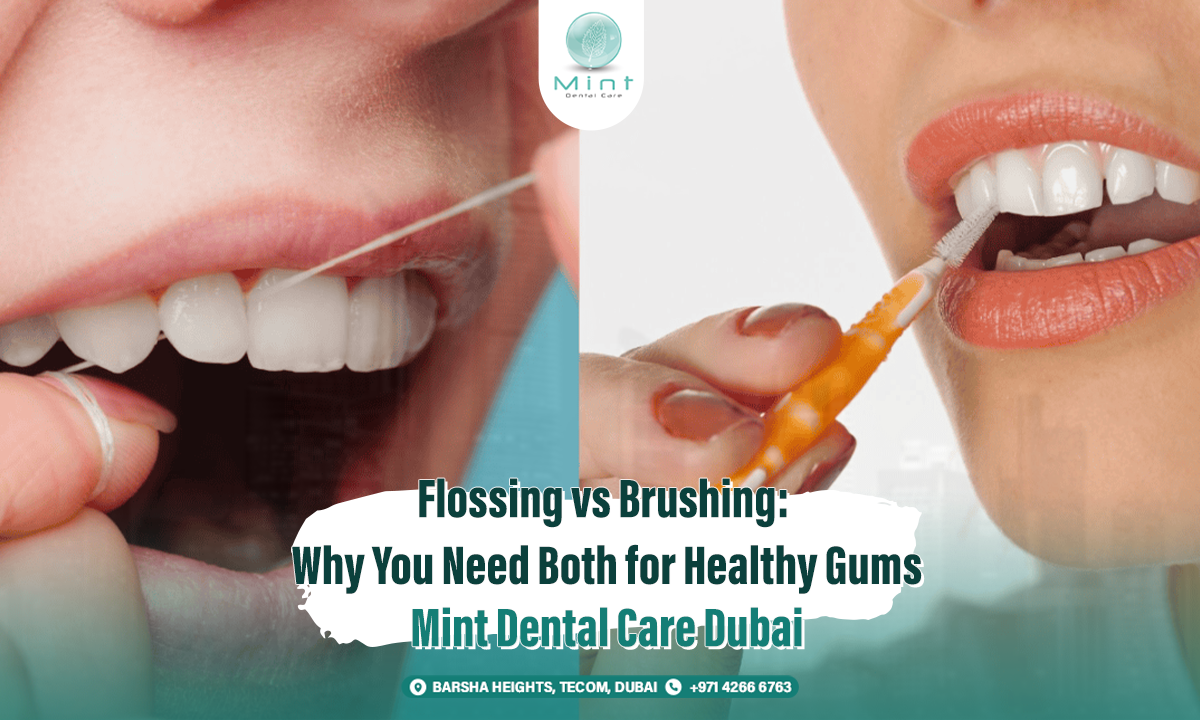
- Use interdental brushes or floss at least once a day to clean in between your teeth.
- Obtain routine dental examinations.
- Maintain clean dentures (false teeth) and take them off at night.
- After consuming strong-smelling foods and beverages, use sugar-free mints or chewing gum.
- Try using toothpaste or mouthwash with antimicrobial properties.
- Avoid smoking
- Don’t consume too much booze.
- After brushing your teeth, avoid immediately rinsing your mouth with water.
- Avoid consuming a lot of sugary meals and beverages.
- Avoid brushing so vigorously that your tongue or gums bleed.
What is the reason for foul breath?
Causes of bad breath may include:
- Tongue coating and bacteria on the back of the tongue
- Bacteria in the gums’ pockets and the gaps between teeth
- Deposits on the tooth’s surface
- Mouth dryness and dehydrated mucous membranes that allow germs to proliferate
- Gum inflammation and periodontitis
- Mouth sores (perhaps brought on by a herpes virus infection)
- Smoking
- Snoring and mouth breathing
- Anxiety
- Dieting and Fasting
- Oral cavity abscesses or infections
- An unbalanced diet
- Tonsillitis
If the patient doesn’t routinely remove the bacteria using a toothbrush, dental floss, interdental brushes, or dental floss, they stay in one spot for a very long period.
This can occur on the tongue, in the spaces between teeth, in the gums and their pockets, and in places affected by periodontitis or gingivitis.
Rarely, deeper areas like the gastrointestinal tract are the source. Patients may develop halitosis as a result of an imbalanced diet that includes too many sweets, dairy, and acidic foods. This is also known as chronic halitosis if it lasts for a long period.
How Can Your Bad Breath Be Controlled?
You might be surprised to learn how prevalent chronic halitosis, or bad breath, is.
However, fighting it is equally simple. With proper dental care, foul breath may be managed regardless of the underlying cause. You may still make an effort to keep your breath fresh while you seek medical attention for your mouth odor. A healthy dental regimen consists of:
- Brushing
To maintain oral hygiene solutions and make sure you are thoroughly cleaning your teeth, you must brush them twice a day for at least two to three minutes. To make sure there are no leftover food particles in your mouth, you can even wash your teeth after a very strong meal or after consuming anything sweet.
- Floss
A brush may not always be able to remove food particles that become trapped between teeth. Make sure you brush your teeth thoroughly, especially at night, since flossing helps you get rid of all the little particles.
Diagnosis
The breath from your mouth and nose will probably be smelled by your dentist, who will then grade the fragrance on a scale. Your dentist may also scrape your tongue and grade its odor because the rear of the tongue is typically the source of the odor.
Particular substances that produce foul breath can also be detected by particular instruments. However, these resources aren’t always accessible.
Bad breath treatment
Keep your mouth and teeth clean regularly to prevent cavities, lessen bad breath, and minimize your risk of gum disease. There are several ways to remedy bad breath. You will probably need to see your primary care physician or a specialist if your dentist believes that another medical problem is the cause of your foul breath.
Your dentist will collaborate with you to help you manage oral health problems that lead to foul breath. Dental procedures might consist of:
- Toothpaste and mouthwash. If plaque accumulation on your teeth is the cause of your foul breath, your dentist could suggest a mouthwash that eliminates the germs. In order to eradicate the germs that lead to plaque accumulation, your dentist could also suggest toothpaste with an antibacterial ingredient.
- Therapy for dental conditions. Your dentist could advise you to consult a periodontist, or gum specialist, if you have gum disease.
- Gum disease can cause your gums to separate from your teeth, leaving behind deep pockets that are home to bacteria that create odors. These germs can occasionally only be eliminated by expert cleaning. Additionally, your dentist may advise replacing defective fillings, which serve as a haven for bacteria.
When to Visit a Dentist For Bad Breath Treatment
It might be time to visit your dentist at Mint Dentals Clinic if you have foul breath that doesn’t go away with simple oral care measures. Additionally, it’s critical to get medical help as soon as possible if your foul breath is accompanied by additional symptoms like fever, trouble swallowing, or discomfort or swelling in the mouth.
With dental halitosis treatments, we at Mint Dentals Clinic can help you regain fresh breath. Alternatively, we can provide you with information on how to treat yourself. In any case, we’ll quickly make you grin.
We are thus prepared to assist if you believe you have terrible breath or if a family member’s morning breath seems to persist throughout the day. Please fill out this form or give our office a call to make an appointment.