
You brush your teeth, floss your teeth, and chew gum with mint, but that unpleasant taste in your mouth won’t stop. If you have bad breath that doesn’t go away, it’s not only embarrassing, it may be a warning sign that something deeper is going on.
At Mint Dental Care Center in Al Barsha, Dubai, we help patients every day who feel frustrated, confused and even worried about persistent bad breath, and many have tried using mouthwash after mouthwash, only to discover that the real problem lies beneath the surface.
Let’s analyze what chronic bad breath might actually mean, what causes it, and what you can do because when it doesn’t go away, it’s time to take it seriously.
When Mouthwash Isn’t Enough?
Bad breath (or bad breath) is incredibly common, but while the occasional smell after garlic or coffee is normal, bad breath that doesn’t go away isn’t.
Persistent bad breath is often a symptom, not the main problem, and treating it with gum or mint is just a cover-up and not a solution to the cause, and understanding the source is the first step toward lasting relief.
Dry Mouth
Saliva plays a big role in cleaning your mouth naturally, as it washes away food particles, neutralizes acid, and keeps odor-causing bacteria under control
When you are dehydrated, taking certain medications, or under stress, your mouth produces less saliva. This leads to many problems, the most important of which are:
- sticky, dry feeling in the mouth
- bitter taste
- Stronger and persistent smell, especially in the morning
This is one of the most neglected causes of bad breath that does not go away. At Mint Dental Care, we help manage it with hydration tips, fluoride products, and saliva-boosting treatments.
Gum Disease
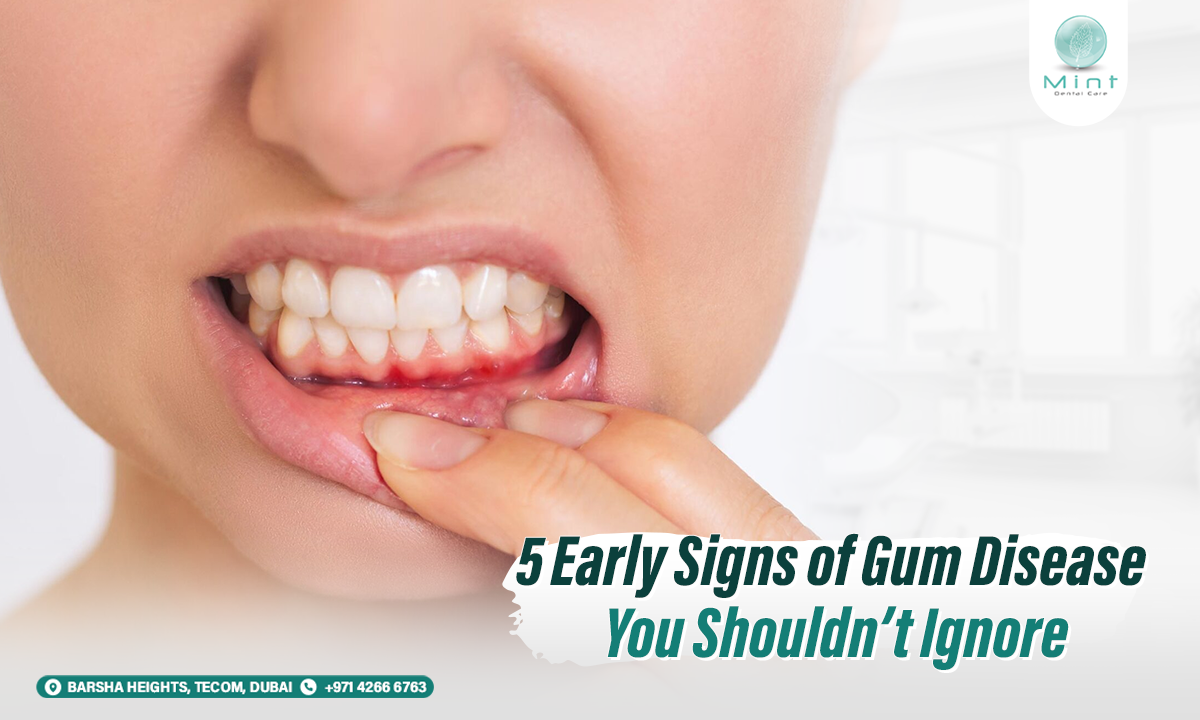
Bleeding gums when brushing? Receding gumlines? These could be signs of gingivitis or periodontitis both of which can lead to persistent bad breath.
Why? Because bacteria hiding deep below the gums produce foul-smelling sulfur compounds. No mouthwash can reach them.
We use gentle, thorough cleanings and digital diagnostics to remove these bacteria and prevent long-term damage. Often, when we treat gum disease, chronic breath odor improves drastically.
Coated Tongue
Ever look at your tongue and notice a white or yellowish film? That’s biofilm a buildup of bacteria, food debris, and dead cells.
When it isn’t removed, it becomes a breeding ground for odor.
Using a tongue scraper or gently brushing your tongue daily can make a huge difference. Our hygiene team at Mint Dental Care teaches every patient how to clean the tongue safely and effectively, especially if they’re dealing with bad breath that doesn’t go away.
Undiagnosed Tooth Decay
One untreated cavity can cause an unpleasant odor, and as the decay deepens, bacteria multiply and produce unpleasant odors even if the teeth do not yet hurt.
We discovered that the source of bad breath that does not go away is a small cavity hidden behind the molar.
Using digital X-rays and in-depth examinations, we are able to identify and treat cavities early before they become a bigger (and smellier) problem.
Other Underlying Health Conditions
Sometimes, the mouth is not the problem at all, as certain medical conditions such as acid reflux, diabetes, or sinus infections can lead to bad breath that oral care alone cannot fix.
Reflux can cause stomach acid to rise into the throat, leaving behind a sour or bitter odor, and diabetes can increase ketone levels in the bloodstream, resulting in a fruity or chemical odor.
If your mouth is healthy but your breath is not, we will guide you to appropriate medical support because health and dentistry go hand in hand.

What to Do About It?
If you’ve had bad breath that doesn’t go away for more than a week, it’s time to do more than mask the symptoms. Here’s what we recommend:
1. Get a Comprehensive Dental Exam
At Mint Dental Care, we go beyond the surface. We check your teeth, gums, tongue, and salivary glands plus ask about lifestyle and habits that could be contributing.
2. Improve Your Oral Routine
- Brush twice a day for 2 full minutes
- Floss once daily
- Clean your tongue with a scraper or brush
- Use an alcohol-free mouthwash for hydration
3. Stay Hydrated and Eat Smart
Drink plenty of water throughout the day. Avoid high-sugar snacks and excessive coffee, which dry the mouth and fuel odor-causing bacteria.
4. Treat the Root Cause
Whether it’s gum disease, decay, or dry mouth, we’ll create a personalized treatment plan that doesn’t just freshen breath but restores your oral health for good.
Let’s Fix the Problem Not Just Cover It Up
You deserve to feel confident every time you speak, laugh, or smile. If you’re struggling with bad breath that doesn’t go away, it’s time to stop the cycle of quick fixes and get the expert help your mouth deserves
FAQs – Bad Breath That Doesn’t Go Away
1. Is bad breath always a dental issue?
Not always but oral issues are the most common cause. We rule those out first before exploring medical factors.
2. How do I know if I have gum disease causing my breath?
Look for bleeding, swelling, or tenderness in your gums. We can confirm diagnosis with a professional exam.
3. Can bad breath be cured permanently?
Yes if the cause is identified and treated properly. Most cases are fully manageable with the right care.
4. Is it normal to have bad breath every morning?
Yes, morning breath is common. But if the odor lingers after brushing, there may be a deeper issue.
5. How often should I visit the dentist for breath concerns?
Every 6 months for cleanings but sooner if symptoms like odor, pain, or bleeding appear.
6. Does Mint Dental Care treat chronic bad breath?
Absolutely. We provide full diagnostics, treatment plans, and home care coaching for long-term freshness.