Finishing your braces or Invisalign treatment is a big moment. After months of aligners, wire adjustments, attachments, or elastics, you finally get to enjoy the straight smile you worked so hard for. But here is the part many patients underestimate: the end of active treatment is not the end of care. In fact, it is the beginning of the maintenance phase that protects everything you achieved.
At Mint Dental Care, one of the most common questions we hear after orthodontic treatment is simple: how do I keep my teeth from moving again? It is an important question, because teeth can shift after treatment if retention and aftercare are not taken seriously. The American Association of Orthodontists explains that retainers are the key part of life after braces because they help hold teeth in place, and NHS guidance states that retainers are used at the end of orthodontic treatment to keep straightened teeth in position while the surrounding gum and bone adjust.
Whether you completed metal braces, ceramic braces, or Invisalign / clear aligners, protecting your new smile requires daily habits, regular reviews, and a clear understanding of what matters most after treatment. Mint Dental Care’s orthodontic services include braces, Invisalign / clear aligners, and retainers, which makes post-treatment retention a core part of long-term smile care at the clinic. Here are the 10 must-do steps every patient should follow after braces or Invisalign.
1. Wear Your Retainer Exactly as Instructed
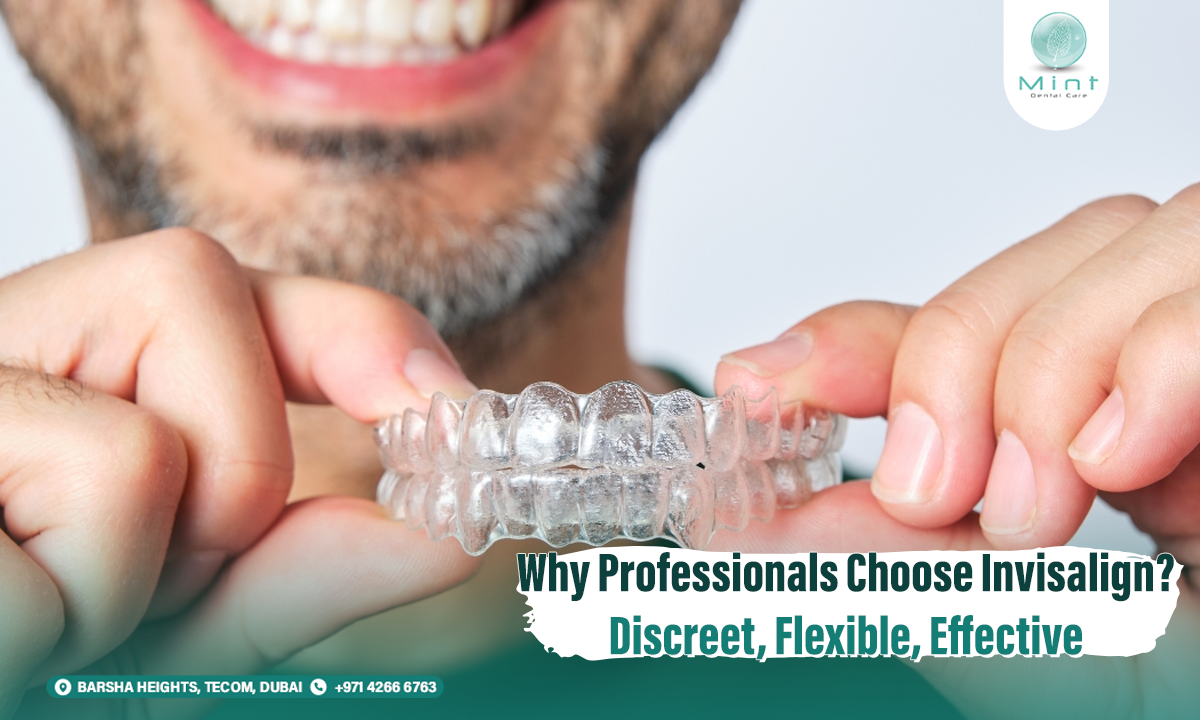
If there is one rule that matters more than any other, it is this one. Wear your retainer exactly as your orthodontist tells you. Teeth naturally tend to move after treatment, and retainers are what stop that relapse from happening. Invisalign’s official patient information states that, whether you straighten your teeth with Invisalign or braces, wearing a retainer after treatment is essential to preventing relapse, and notes that teeth can shift naturally because of everyday habits like chewing and grinding. The NHS also says that when orthodontic treatment finishes, patients usually need to wear a retaining brace, often every night, to keep teeth in their new position.
Some patients are told to wear their retainers full-time at first, while others move directly into nighttime wear depending on the treatment plan. The British Orthodontic Society notes that removable retainers may be worn full-time initially and later reduced to nights, or sometimes prescribed for nights from the start of the retention period.
The most important thing is not what your friend was told. It is what your own orthodontist prescribed for your teeth.
2. Do Not Treat Retainers as a Short-Term Phase
One of the biggest mistakes patients make after braces or Invisalign is assuming they only need retainers for a few weeks or a few months. In reality, retention is a long-term commitment. NHS guidance says retainers are usually worn for at least 12 months, while the British Orthodontic Society explains that retention instructions vary by case and may involve long-term nighttime wear.
This matters because teeth do not become “permanently locked” in place just because treatment is finished. Orthodontic relapse can happen gradually and quietly. A patient may not notice movement until one front tooth looks slightly rotated or crowded again. At that stage, prevention would have been easier than correction.
At Mint Dental Care, we encourage patients to think of retainers as the protection plan for their smile, not as an optional extra after treatment.
3. Clean Your Retainer Every Day
A retainer sits closely against your teeth, so it needs just as much attention as your teeth do. The AAO states that retainers need daily cleaning because bacteria can grow on a dirty retainer, and recommends gently cleaning with a soft-bristled toothbrush and water, with occasional soaking in a retainer-cleaning solution. It also warns against using hot water because heat can damage the retainer
This is especially important for clear retainers, which can collect plaque, odor, and cloudiness if they are not cleaned properly. Patients often focus on brushing their teeth but forget that placing a dirty retainer back into the mouth can undo part of that effort.
A clean retainer feels better, smells better, looks clearer, and supports better oral health overall.
4. Remove Your Retainer When Eating and Store It Safely
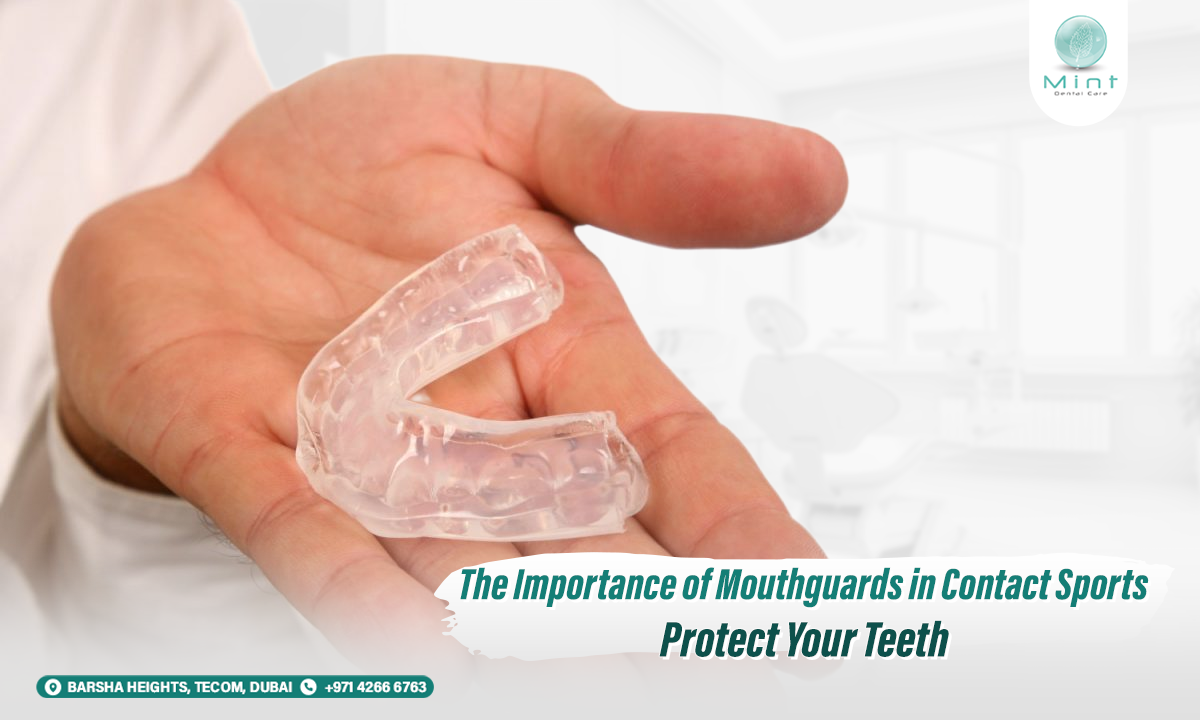
If you have a removable retainer, it should not be casually wrapped in tissue, left on a restaurant table, or placed in your pocket. NHS patient guidance for Essix retainers says removable retainers should be removed when eating and drinking and then stored safely in a protective case. The British Orthodontic Society also advises that when a removable retainer is not in the mouth, it should be kept in a protective box.
This advice sounds simple, but it prevents many of the most common retainer problems. Lost retainers, cracked retainers, warped retainers, and retainers chewed by pets often come from poor storage habits rather than from normal wear.
If you want to protect your smile after braces or Invisalign, protect the appliance that protects your smile.
5. Keep Brushing Twice a Day With Fluoride Toothpaste
Straight teeth still need healthy enamel and healthy gums. The American Dental Association recommends brushing twice a day for two minutes with fluoride toothpaste, and also recommends cleaning between the teeth daily. These are not “basic” steps to ignore after orthodontic treatment. They are essential if you want your straight smile to stay healthy as well as beautiful.
Many patients feel so relieved after braces come off that they relax their cleaning routine. But this is actually the time to reset and strengthen it. Orthodontic treatment improves alignment, but it does not remove your lifelong risk of plaque buildup, cavities, or gum inflammation.
At Mint Dental Care, we always remind patients that the best post-orthodontic smile is not just straight. It is also clean, bright, and healthy.
6. Clean Between Your Teeth Every Day
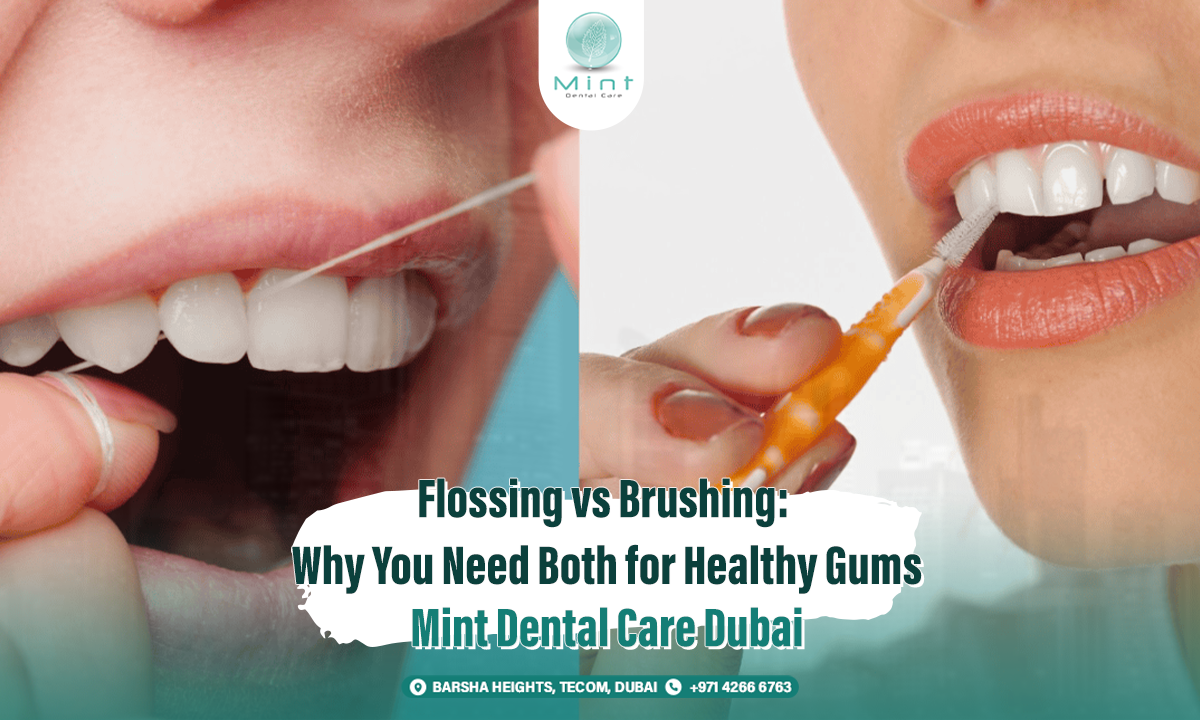
A good smile after braces or Invisalign is not only about front-facing alignment. It is also about what is happening between the teeth and around the gumline. The ADA recommends daily interdental cleaning, because plaque between the teeth can still contribute to decay and gum disease even after orthodontic treatment is complete.
This step matters even more if you have a fixed bonded retainer behind the front teeth. The British Orthodontic Society states that fixed retainers require a high standard of cleaning around them to avoid gum problems.
Patients with fixed retainers may need floss threaders, interdental brushes, or dentist-recommended tools to keep the area properly clean. A straight smile can still develop gum inflammation if the cleaning routine is not adapted to the retainer.
7. Attend Your Review Appointments and Regular Dental Checkups
After active orthodontic treatment ends, review visits still matter. The NHS notes that orthodontic providers remain responsible for care for a period after treatment ends, and the Invisalign retainer guidance states that regular checkups help ensure your retainer remains in good condition.
These appointments are important because small issues are much easier to fix early. A retainer may look fine to the patient but fit less accurately than before. A fixed wire may partially detach without causing pain. Minor tooth movement may begin before it becomes visible in photos or obvious in the mirror.
Regular dental checkups matter too. They help monitor gum health, plaque buildup, early cavities, and the condition of retainers and bonded wires. Good long-term results come from professional follow-up, not just home care alone.
8. If Your Retainer Feels Tight, Loose, or Broken, Act Quickly
A damaged or poorly fitting retainer should never be ignored. The AAO says that if your retainer is damaged or no longer fits as well as it once did, it may be compromising your smile. The British Orthodontic Society also warns that if any glue fails on a fixed retainer, the affected tooth may start to drift, and the patient should contact the orthodontist at once.
This is one of the most important after braces care and after Invisalign care rules. Waiting “to see what happens” can allow teeth to shift. Once that movement starts, getting back to the exact final position may become more complicated.
If your retainer cracks, stops fitting properly, feels dramatically tighter than usual, or a fixed wire comes loose, contact your orthodontic provider as soon as possible.
9. Pay Attention to Small Signs of Relapse
Relapse rarely starts with a dramatic change overnight. It usually starts with small clues. Your retainer may suddenly feel tighter. One lower front tooth may seem slightly more crowded. A bonded retainer may catch the tongue differently than before. Invisalign’s official information explains that teeth can shift naturally over time, which is exactly why retention is considered essential after treatment.
Patients often delay because they think the change is minor. But minor movement is the easiest stage to address. The longer it is ignored, the more likely the alignment will continue to change.
A good rule is this: if your teeth look different, feel different, or your retainer fits differently, do not assume it is nothing.
10. Protect the Investment You Made in Your Smile
Orthodontic treatment takes time, discipline, and financial commitment. Protecting the result means treating your retainers and oral-health routine as part of that investment. Mint Dental Care provides orthodontic treatment, Invisalign / clear aligners, braces, and retainers as part of its smile-focused services, and its own retainer content emphasizes helping patients keep their smiles straight and healthy for years to come.
This final step is really about mindset. Do not think of retention as an inconvenience after the “real” treatment is done. Retention is what makes the result last. The patient who wears retainers consistently, keeps them clean, stores them safely, attends reviews, and responds quickly to problems is the patient most likely to enjoy a stable smile for years.
Why Post-Treatment Care Matters So Much
Many patients believe the hardest part of orthodontic treatment is the active phase. In reality, the long-term success of treatment depends heavily on what happens afterward. The NHS, AAO, BOS, and Invisalign all point to the same core message: retainers and follow-up care are essential after braces or Invisalign.
That is why post-treatment care should never be rushed or treated casually. Straight teeth can shift. Retainers can fail. Gum problems can develop around fixed wires. But with the right habits, those risks can be reduced significantly.
Final Thoughts
If you have recently finished orthodontic treatment, the best thing you can do now is protect your result. The 10 must-do steps are simple in theory but powerful in practice: wear your retainer exactly as instructed, think long-term, clean it daily, store it safely, maintain excellent oral hygiene, clean between your teeth, attend reviews, react quickly to damage, watch for relapse, and treat retention as part of the treatment itself.
That is how you keep your smile looking as good six months from now, one year from now, and much longer.
Book Your Follow-Up at Mint Dental Care
At Mint Dental Care, we help patients in Dubai protect their results after braces and Invisalign / clear aligners with continued support, retainer guidance, and long-term smile care. Whether you need a retainer review, a post-treatment dental checkup, or advice on how to maintain your orthodontic results, our team is here to help.
Book your appointment with Mint Dental Care and keep your straight smile healthy, stable, and beautiful for years to come.