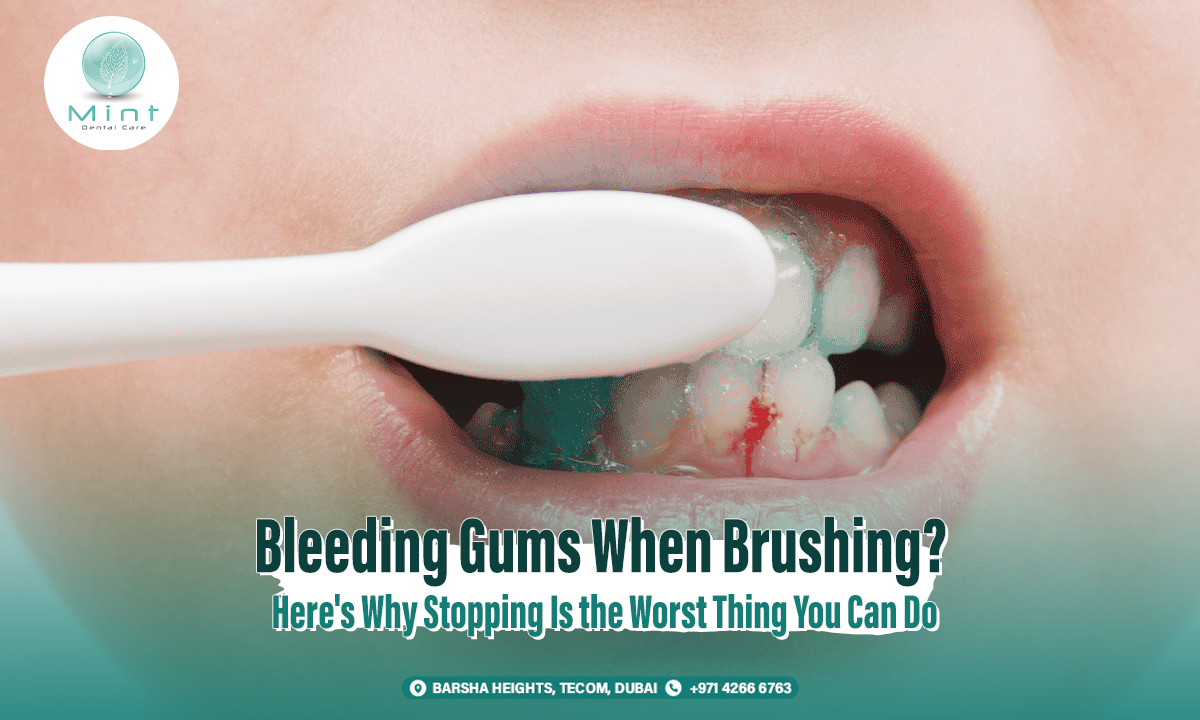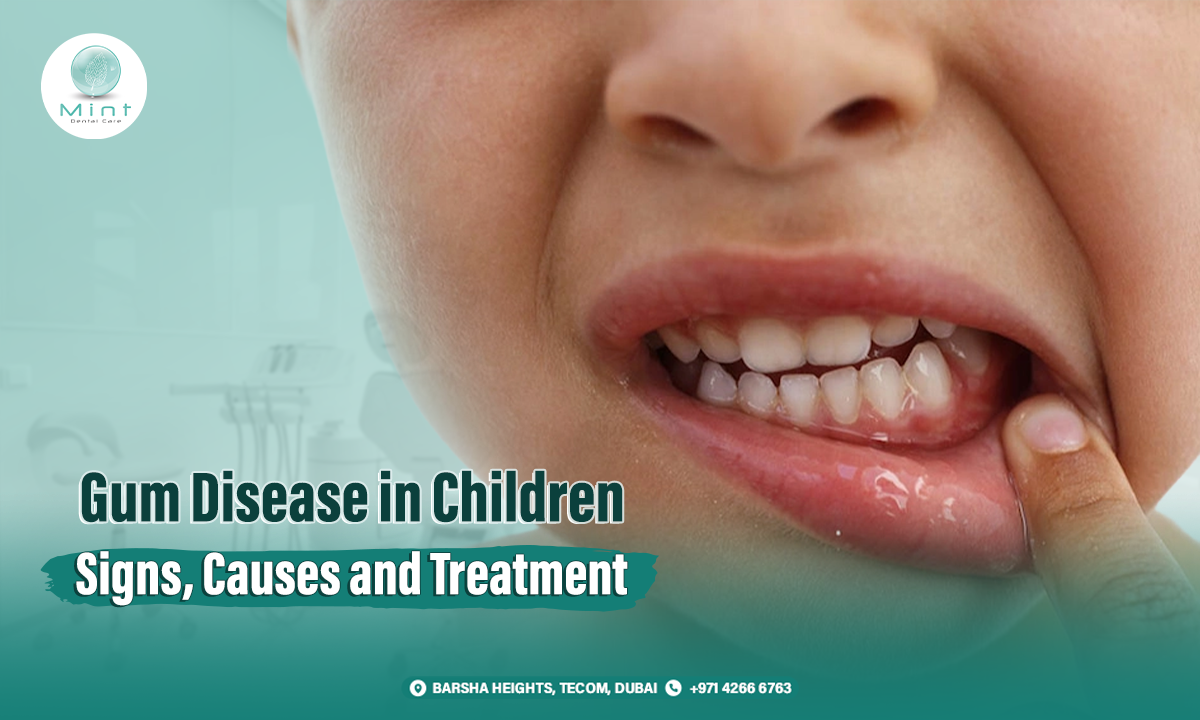
Gum disease in children can start with something as small as a little blood on the toothbrush. Your child may not complain, and the gums may not look painful at first. Many parents notice it during brushing, when the gumline looks red, puffy, or easier to bleed than usual. Catching those early changes matters because gum irritation is often much easier to treat before it becomes a deeper dental problem.
Protect Your Child’s Gums with Mint Dental Care
If you have noticed bleeding, swelling, or persistent bad breath, Mint Dental Care can help you address gum disease in children before it becomes harder to manage. Your child can receive gentle, age-appropriate care in a comfortable setting, along with clear guidance on treatment and daily gum care. Book an appointment today to have your child’s gums checked and receive a care plan suited to their needs.
What is Gum Disease in Children?
You may first spot a problem while helping your child brush before school or bedtime. The gums may look darker than usual, feel tender, or bleed even when brushing is gentle. At that stage, it is easy to blame the toothbrush, but the real issue is often plaque sitting along the gumline.
Gum disease in children usually begins when sticky plaque builds up around the teeth and irritates the gums. In many kids, this early stage is called gingivitis. The gum tissue becomes inflamed, but the teeth and supporting bone are not usually damaged yet.
If plaque stays in place for too long, it can harden into tartar. Tartar cannot be removed with normal brushing at home. That is when a dental cleaning becomes important, especially if the gums bleed often or your child has bad breath that keeps coming back.
Why parents sometimes miss it
Children do not always describe gum soreness clearly. A child may avoid brushing near the back teeth, complain that toothpaste “hurts,” or rush through brushing because the gums feel uncomfortable. You may notice pink saliva in the sink after brushing, then see no pain during the day.
Gum disease in children can look mild from the outside. The child may eat, play, and talk normally. That is why regular dental checkups matter, even when there is no toothache.
Early warning signs
The first signs can be easy to overlook. A small amount of bleeding during brushing may happen once, then disappear for a few days. You may notice the gumline looking swollen around one tooth or several teeth. Bad breath may stay even after brushing.
Gum disease in children often shows up around areas that are harder to clean. Back molars, crowded teeth, braces, and loose baby teeth can trap food and plaque. If your child brushes quickly, those areas may stay irritated.
Gum changes to watch
Look for these signs when your child brushes, flosses, or eats:
- Bleeding gums during brushing or flossing
- Red, puffy, or tender gums
- Gums that look darker than usual
- Bad breath that returns quickly
- Gum swelling around one tooth.
- Pain when chewing firm foods
- Plaque or tartar near the gumline
- A child is avoiding one area while brushing.
When the signs need a dentist
One day of bleeding does not always mean a serious problem. Repeated bleeding is different. If the same gum area bleeds for several days, or your child avoids brushing because it hurts, book a dental visit.
Gum disease in children should be checked sooner when swelling, pus, fever, loose teeth, or pain with chewing appear. These signs may point to more than simple gum irritation.
Common causes in children
A rushed brushing routine is one of the most common reasons gums become inflamed. Children often brush the front teeth quickly and miss the gumline near the back teeth. Food and plaque stay there, especially after sticky snacks or sugary drinks.
Gum disease in children may become more likely when teeth are crowded, when braces make cleaning harder, or when a child breathes through the mouth at night. Dry mouth can make the gums feel more irritated. Puberty can play a role, too, because hormonal changes may make gums more sensitive to plaque.
Some children have medical conditions or take medications that affect the mouth. Others simply need more help with brushing and flossing than parents expect. If your child has repeated gum bleeding, the dentist can look for the cause instead of treating every episode as a brushing mistake.
Every day causes of gum disease in children
These common factors can make gum inflammation more likely:
- Skipping brushing before bed
- Brushing too quickly
- Missing the gumline
- Not flossing between tight teeth.
- Eating frequent sticky or sugary snacks
- Drinking sweet drinks often
- Wearing braces without extra cleaning
- Crowded teeth that trap plaque
- Mouth breathing or dry mouth
- Delayed dental cleanings
Stages: gingivitis vs periodontitis
Many parents hear the word “gum disease” and immediately think of adults losing teeth. In children, the earlier stage is much more common. Gingivitis affects the gums and can often improve when plaque is removed, and oral hygiene becomes consistent.
Gum disease in children becomes more concerning when inflammation moves beyond the gum surface. Periodontitis is a deeper condition that can affect the tissues and bone supporting the teeth. It is less common in children than gingivitis, but it needs professional care quickly when suspected.
Gingivitis in children
Gingivitis may cause bleeding, swelling, redness, tenderness, and bad breath. The gums may look puffy around the teeth. Your child might complain when brushing near certain spots, especially if plaque has built up along the gumline.
At this stage, the damage can often be reversed with better brushing, flossing, and professional cleaning. The key is removing plaque consistently. If your child has braces, a dentist or hygienist may show them extra tools for cleaning around brackets and wires.
Periodontitis in children
Periodontitis is more serious because it can affect the support around the teeth. You may notice gums pulling away, spaces appearing, pus near the gumline, loose teeth, or pain when chewing. These signs need dental care, not home treatment alone.
Gum disease in children that reaches this stage may need deeper cleaning and close monitoring. The dentist may ask about medical history, family history, oral habits, and how quickly symptoms appeared.
Treatment options
Treatment depends on what the dentist sees during the exam. A child with mild gingivitis may need a professional cleaning and better daily brushing. A child with heavier tartar, swelling, or deeper gum pockets may need more focused treatment. Treating gum disease in children early usually means less discomfort and fewer repeat flare-ups.
Gum disease in children is usually treated by removing plaque and tartar, calming gum inflammation, and building a routine your child can actually follow. The dentist may clean the teeth, check the gumline, review brushing technique, and recommend flossing tools suited to your child’s age.
Professional care for gum disease in children
Your dentist may recommend one or more of these steps:
- A dental exam to check the gums and teeth
- Professional cleaning to remove plaque and tartar
- Brushing guidance for your child’s age
- Flossing instruction or child-friendly floss tools
- Advice for cleaning around braces
- Antibacterial mouthwash when appropriate
- Follow-up visits if bleeding or swelling continues
- Referral to a specialist for advanced gum problems
What parents can expect after treatment?
Gums may improve within days or weeks when plaque is removed, and brushing becomes more consistent. Bleeding should become less frequent. Bad breath may improve, too, especially when the gumline and spaces between teeth are cleaned well.
Do not stop brushing because the gums bleed. Gentle brushing along the gumline is usually part of healing. If bleeding gets worse, pain increases, or swelling appears, call the dentist for advice.
read more:Early Orthodontic Treatment for Kids in Dubai
Home prevention routine
A realistic routine works better than a perfect one that your child refuses to follow. Most children need supervision longer than parents expect, especially at night. The bedtime brush matters because plaque sits on the teeth for hours during sleep.
Preventing gum disease in children starts with daily gumline cleaning. Ask your child to angle the toothbrush toward the gums and move slowly around every tooth. If they rush, let them brush first, then you can check the missed spots.
Daily gum care routine
Keep the routine simple and repeatable:
- Brush twice a day with fluoride toothpaste.
- Spend extra time along the gumline.
- Floss once a day where teeth touch
- Help younger children with brushing.
- Use orthodontic brushes if your child has braces.
- Limit frequent sugary snacks and drinks.
- Offer water after meals and snacks.
- Replace worn toothbrushes regularly.
- Keep regular dental checkups.
Making the routine easier
Many parents find that children brush better when the routine feels specific. Instead of saying “brush properly,” ask your child to clean the gumline near the back teeth, then the front teeth, then the tongue. A timer, song, or small mirror can help younger kids stay focused.
Gum disease in children is easier to prevent when parents make brushing visible and normal. Brush together when you can. Praise effort, correct missed spots calmly, and ask the dentist to show your child what plaque looks like during a visit.
Book a dental visit if your child has bleeding gums, swelling, bad breath, or gum pain that keeps returning. Early care can stop gum disease in children from becoming more uncomfortable and harder to treat. If you are unsure whether the signs are serious, ask a pediatric dentist to check the gums and guide your child’s home routine.
Frequently Asked Questions
Can children get gum disease?
Yes, children can get gum disease, especially gingivitis caused by plaque buildup along the gumline. Regular brushing, flossing, and dental cleanings can help control it early.
How do I know if my child has gingivitis?
Common signs include bleeding gums, redness, swelling, tenderness, and bad breath. If these signs keep returning, your child should see a dentist.
Is gum disease reversible in kids?
Early gingivitis is often reversible with professional cleaning and better daily oral hygiene. More advanced gum disease needs dental treatment and closer monitoring.
read more: