The thinning of your teeth’s enamel, which is their outer layer of protection, is known as tooth erosion. Once it’s gone, you can’t replace it, but you can stop it before it becomes worse. Regular dental checkups and proper oral hygiene are the greatest ways to stop enamel degradation.
Tooth erosion
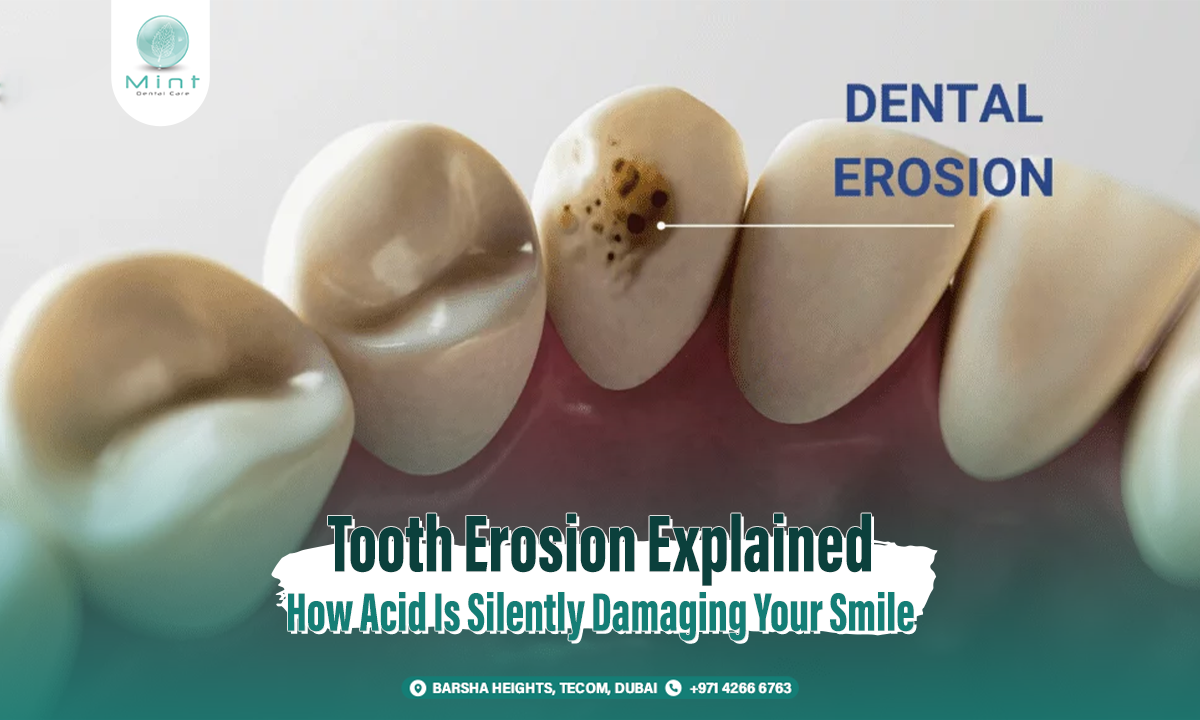
Tooth erosion, also known as dental erosion, is a prevalent issue that can occur at any age. It occurs when acids weaken the veneers on worn teeth. These acids may originate from food and beverages or your stomach.
Dental erosion is not the same as bacterial tooth decay.
Dry mouth can lead to significant dental erosion. The reason behind this is that you don’t produce enough saliva to neutralize and remove the acids.
Evident Signs of Enamel Deterioration
- Individual differences exist in the symptoms of enamel erosion, which frequently begin gently before becoming more noticeable and painful.
- Early signs and symptoms might be:
- Heightened sensitivity, especially while eating or drinking hot, cold, or sweet foods.
- Tooth discolouration because more of the yellowish dentin underneath is visible due to the enamel’s weakening.
- Tiny chips or cracks, particularly close to the margins of the teeth.
- Imperfections in the tooth’s surface, such as little dents or pits.
The Primary Reasons for Erosion of Tooth Enamel
Acid erosion can result from physical wear on the teeth or from nutrition, health issues, and practices that expose the teeth to acids. Among the factors are:
- Regular consumption of acidic foods or beverages, such as vinegar, soft drinks (even sugar-free ones), citrus fruits, fruit juice, etc.
- pharmaceuticals and chewable supplements that reduce your mouth’s pH, such as acidic syrups or vitamin C pills.
- Overbrushing, especially at the gum line, can destroy enamel that has already weakened.
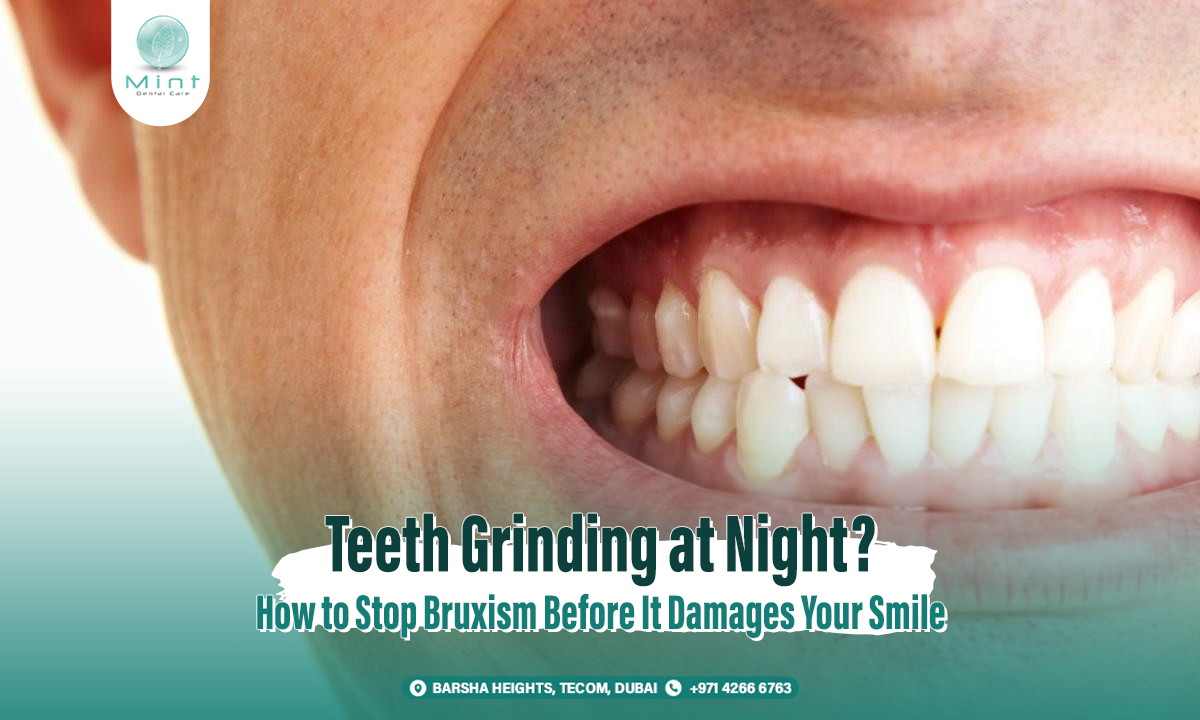
- Enamel erosion results from teeth grinding (bruxism), which puts physical strain on the surface of the enamel.
- Tooth enamel is eroded by stomach acids that enter the mouth due to frequent vomiting or persistent acid reflux.
- An eating condition called bulimia nervosa exposes teeth to repeated episodes of stomach acid.
- Long-term use of several medications, such as some antihistamines, can cause dry mouth and decreased salivation.
- Because of hereditary disorders such as enamel hypoplasia, some people have weak or thin enamel from birth.
Tooth erosion symptoms
- You may see the following if you have tooth erosion:
- Sensitivity to meals that are hot, cold, or sweet
- Finish meals with milk or cheese to counteract oral acidity.
- Because the dentine is visible, your teeth seem yellow or darker.
- Areas on your teeth that are glossy, rounded, or smooth
- Chips or fissures in your teeth
Tooth erosion diagnosis
Make an appointment with a dentist if you suspect enamel erosion. By carefully examining your mouth, they will be able to determine whether you have tooth erosion.
Thinning enamel, discolouration, smooth or glossy surfaces, and sensitivity are all indicators of tooth erosion that your dentist will check for. They may inquire about your nutrition, any tooth-grinding habits, and any illnesses that could be contributing to your erosion.
To examine the dentine within your tooth more closely, your dentist may occasionally take a dental X-ray. This enables them to assess the severity of the erosion and determine whether therapy is necessary.
How to stop dental erosion
You may lessen dental erosion and its potential impact on your teeth in a number of ways. Example of a fluoride toothpaste that has been carefully developed to remineralize damaged dental enamel and prevent erosion.
Other actions you can take to stop more dental erosion include:
- Limit your intake of acidic foods and beverages; instead of constantly nibbling throughout the day, attempt to eat these items during mealtimes.
- To help counteract the acidity in your tongue, finish meals with cheese or milk.
- Chew sugar-free gum to increase salivary flow.
- Drink largely non-acidic beverages, such as milk, water, or slightly diluted sugar-free squash.
- Don’t swirl beverages about your mouth; instead, sip with a straw.
- In between meals, limit your snacking to cheese, almonds, or vegetables.
- After consuming acidic foods or beverages, wait an hour before cleaning your teeth because doing so right away might exacerbate tooth damage.
The greatest course of action when it comes to tooth enamel is to keep your teeth healthy and avoid damage. Maintain proper oral hygiene practices and schedule frequent dental examinations and cleanings.
Treatment for tooth erosion
Treatment for dental erosion is not always necessary. If you have minor tooth erosion, you may be able to prevent it from growing worse by altering your diet and at-home dental hygiene regimen. Your dentist will recommend you to a general practitioner (GP) for treatment if they believe that your erosion is caused by an underlying medical problem.
However, your dentist may recommend the following enamel erosion treatments if your tooth enamel loss is more severe.
Treatments with fluoride
Your dentist could advise applying fluoride treatments to restore your teeth’s enamel if your dental erosion is still in its early stages.
One mineral that strengthens and remineralizes your tooth enamel is fluoride. The majority of mouthwashes and toothpastes include it. You may be advised to use specific fluoride products at home by your dentist. Alternatively, they may immediately apply a fluoride-rich gel, paste, or varnish to your teeth.
Composite adhesion
Your dentist may recommend adding a resin to your teeth to help restore their natural color if tooth erosion is causing them to appear yellow or brown.
This is frequently referred to as bonding for eroded teeth, or composite bonding. In order to do this, your dentist will roughen the tooth’s surface, apply resin, cover it with a sticky substance, and use a special light to solidify it. The resin will then be polished and shaped to fit the rest of your tooth as precisely as possible.
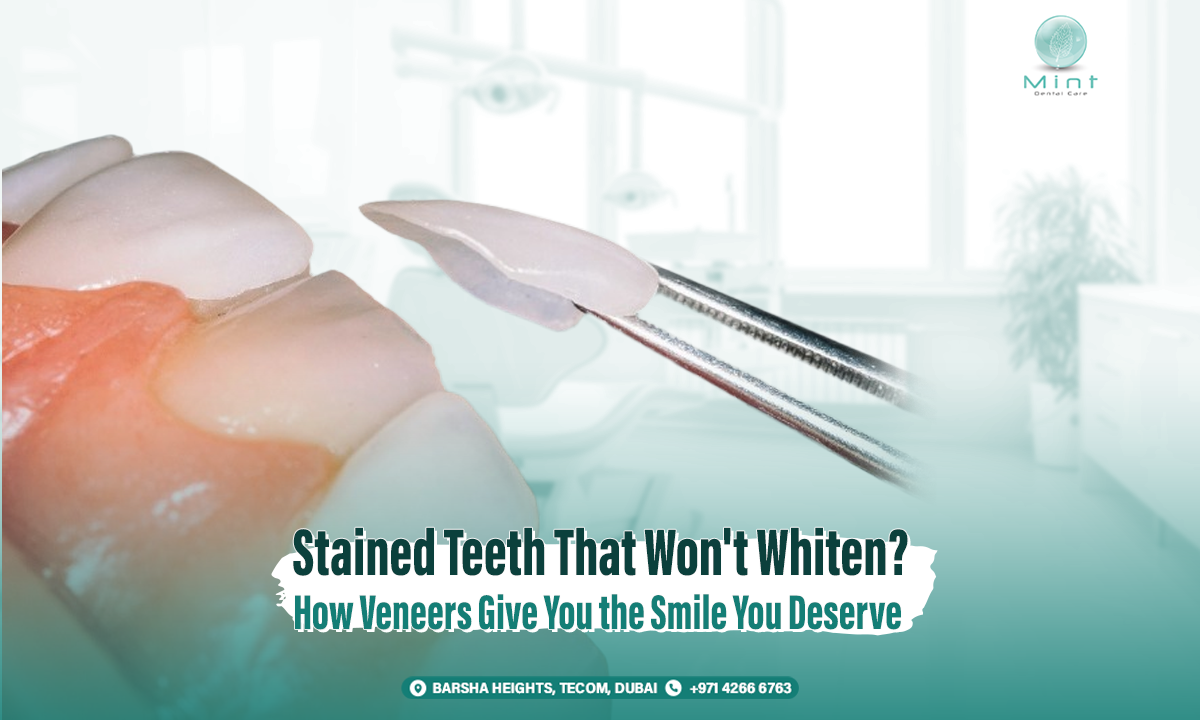
Veneers
Your dentist could advise getting veneers if you have significant enamel erosion. These are extremely thin porcelain shells that are affixed to the front of your teeth to preserve and enhance their look. Usually, there are two steps involved in this process. Initially, a tiny layer of enamel will be removed from your teeth by your dentist.
To create bespoke veneers, they will take an imprint of your mouth and send it to a lab. While you wait, they could put on a temporary veneer. During a follow-up appointment, your dentist will use a strong adhesive to affix your veneers to your teeth once they are ready.
Crowns
Your dentist may recommend a dental crown if your tooth has become significantly eroded, weak, or damaged. This cap goes over the top of your whole tooth and is shaped like a tooth. It protects your injured tooth and makes it resemble your other teeth. Typically, two sessions are needed to install a dental crown.
First, your dentist will shape your tooth to suit your new crown and remove any damaged areas. Typically, they will take an imprint of your mouth and fit a temporary crown before sending it to a lab to be turned into a personalized crown.
Your dentist will firmly cement your crown in place during a follow-up visit once it is ready.
Keep your smile intact by preventing tooth erosion.
Before it’s too late, take care of your teeth!
Schedule your examination at Mint Dentals Clinic right now.