Composite fillings—also known as tooth-colored or white fillings—have become the preferred choice for many patients in Dubai who want strong, natural-looking restorations without visible metal. The latest resin composites are engineered with nano-ceramic particles that improve strength, polishability, and color stability, allowing dentists to repair cavities and fractures with minimal tooth reduction. At Mint Dental Care, our clinicians pair these advanced materials with adhesive bonding protocols and rubber-dam isolation to create restorations that blend seamlessly with your smile while protecting the remaining healthy structure. Whether you need to replace an old metal filling or treat a new cavity, understanding when composite is ideal—and when another option might be better—helps you make a confident, informed decision.
What Exactly Is a Composite Filling?
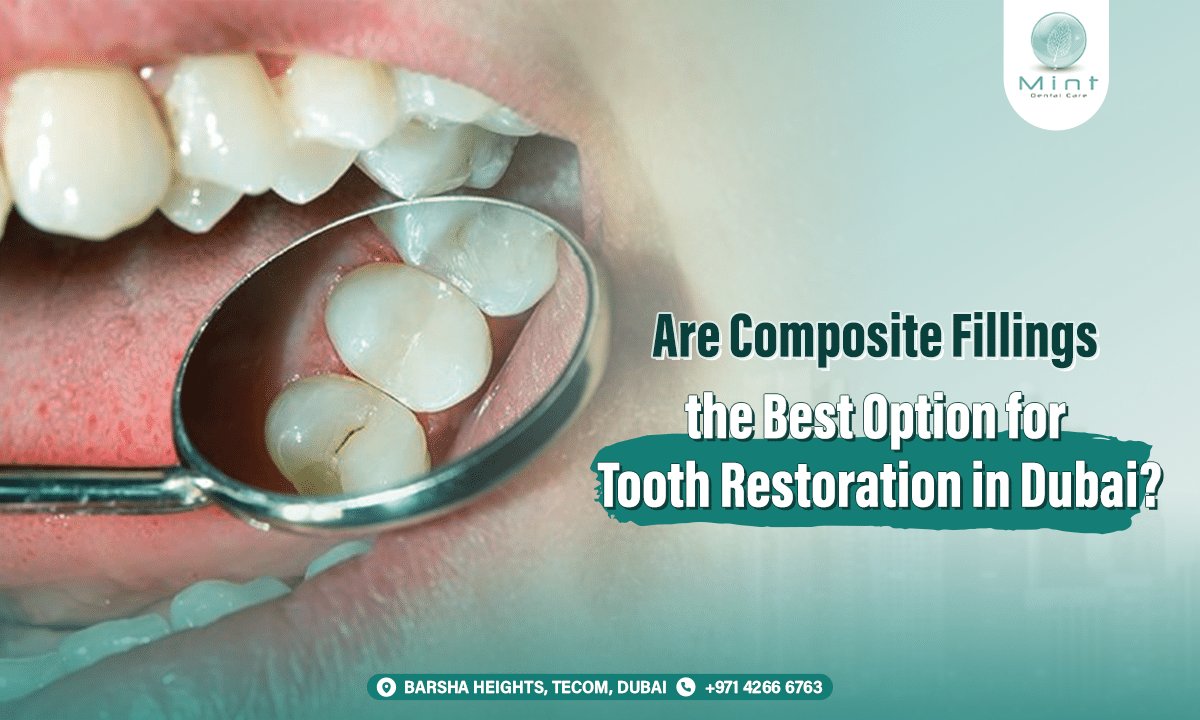
A composite filling is a blend of resin and finely milled glass or ceramic fillers that chemically bonds to tooth enamel and dentin. Unlike older materials that rely on mechanical retention and often require cutting away additional healthy tooth, modern composites adhere micromechanically after a brief conditioning process. This bond supports the remaining tooth structure, helping to distribute chewing forces and reduce the risk of cracks. Because the material is layered in shades and translucencies that mimic natural enamel, the finished result can be virtually indistinguishable from the surrounding tooth. In clinical hands practiced with adhesive dentistry, composites restore function and aesthetics in a single visit, making them a practical solution for busy Dubai lifestyles.
When Are Composite Fillings Recommended?
Composite fillings are indicated for small to medium cavities, chipped edges, worn biting surfaces, and replacement of failing amalgam fillings where aesthetics or conservative treatment is a priority. They are also well suited to closing small gaps, reshaping teeth, or masking discoloration as part of minimally invasive cosmetic dentistry. At Mint Dental Care, we assess each case with bite analysis, cavity depth evaluation, and moisture control considerations; if the cavity margins are accessible and the tooth can be reliably isolated from saliva, composites perform exceptionally well. For deeper lesions approaching the nerve or in areas that bear heavy load with limited enamel support, we may discuss alternative restorations—such as onlays or crowns—to ensure long-term stability. This case-by-case approach ensures you receive the right material in the right place for the right reason.
Composite vs. Amalgam vs. Ceramic: How Do They Compare?
Choosing the “best” filling material is not a one-size-fits-all decision; it depends on size, location, chewing forces, and moisture control. Compared with silver amalgam, composites offer clear aesthetic superiority and require less drilling, since bonding replaces the need for retention grooves. They also allow us to repair or add to the filling more easily if small chips occur. Amalgam remains strong in bulk but lacks bonding and can discolor enamel over time; many patients prefer non-metal options for appearance and compatibility with future cosmetic plans. Ceramic inlays/onlays provide outstanding wear resistance and color stability for larger defects but typically require a lab step and more tooth preparation than a direct composite. In practice, small to moderate cavities and chipped edges are ideal for composites; large, load-bearing defects may benefit from ceramic onlays; heavily weakened teeth often call for full-coverage crowns. Your dentist’s diagnosis—not marketing—should guide the choice.
How We Place a High-Quality Composite at Mint Dental Care
Successful composite restorations rely on meticulous technique. We begin with a thorough clinical exam and, if indicated, digital radiographs to gauge depth and proximity to the nerve. Profound local anesthesia ensures a comfortable experience, and rubber-dam isolation keeps the field clean and dry, which is crucial for bonding strength. After conservative removal of decay, we apply an enamel/dentin conditioning system, then place the composite in thin, layered increments. Each layer is sculpted to recreate natural anatomy and light-cured for optimal polymerization and strength. We finish by refining occlusion (your bite), smoothing margins under magnification, and polishing to a glassy luster that resists plaque and stains. Before you leave, we review aftercare, sensitivity expectations, and hygiene tips to extend the life of the restoration.
How Long Do Composite Fillings Last?
With proper placement and maintenance, composites commonly last many years. Longevity is influenced by cavity size, bite forces (especially grinding or clenching), oral hygiene, diet, and regular professional cleanings. In small to medium defects with good enamel support and excellent isolation during placement, composites show survival rates that rival or exceed older materials, especially when bonded with modern adhesive systems. We’ll also evaluate risk factors—like nighttime bruxism—and recommend protective measures such as a custom nightguard when appropriate. Routine check-ups allow us to monitor margins, polish surfaces, and intervene early if wear or microleakage begins.
Sensitivity, Staining, and Other Common Questions
Some patients experience transient sensitivity to cold after a new filling, typically resolving within days to a few weeks as the tooth recovers. Careful bonding and incremental curing minimize this risk. Regarding staining, polished composite resists discoloration well; however, frequent exposure to highly pigmented foods and drinks can dull the surface over time. Professional polishing at hygiene visits restores luster quickly. If a small edge chip occurs, composites are straightforward to repair without replacing the entire restoration—one of their practical advantages. Finally, composites are mercury-free and conserve tooth structure, aligning with a modern, minimally invasive philosophy that many patients in Dubai prefer.
Are Composite Fillings Always the Best Choice?
Composite is often the best choice for aesthetics and conservation—but not universally. Very large cavities that leave thin cusps unsupported are better served by indirect restorations (ceramic onlays or crowns) that brace the tooth against fracture. Molars with deep sub-gingival margins—where moisture control is difficult—may compromise bond strength; in such cases we may use a staged approach or recommend a material that tolerates moisture better during placement, then transition to a bonded indirect restoration once the foundation is stable. Teeth with cracks extending below the gum or with recurrent decay under old, oversized fillings may also need stronger coverage. Our promise is to recommend composites when they are predictably durable—and propose alternatives when they are not.
What Does a Composite Filling Appointment Feel Like?
From a patient perspective, composite treatment is typically efficient and comfortable. After numbing and isolation, you’ll feel vibration and gentle pressure as decay is removed and the tooth is shaped. The blue curing light sets each layer in seconds. We will check your bite meticulously to avoid high spots that could cause post-operative tenderness. You can eat once the numbness wears off, and most people resume normal activities immediately. For the remainder of the day, avoiding very sticky foods on the treated side is sensible; after that, you may treat the tooth normally.
Cost, Value, and Insurance Considerations in Dubai
Composite fillings are generally priced based on size and location rather than a flat fee. While they can cost more than amalgam, their tooth-colored aesthetics, conservative preparation, and easy repairability often make them a high-value choice—especially for front teeth and visible premolars. When a cavity is larger, we will also outline the cost-benefit of indirect ceramic options to prevent future cracks and re-treatments. Our team provides transparent, itemized plans and can coordinate with your insurer where applicable so you can decide confidently and plan your care without surprises.
Caring for Your New Composite Filling
Good home care is the strongest predictor of long-term success. Brush twice daily with a fluoride toothpaste, clean between teeth using floss or interdental brushes, and schedule professional cleanings at recommended intervals. If you clench at night or have a history of cracked teeth, a nightguard protects both enamel and restorations. Limiting frequent acidic or sugary snacks helps prevent new decay at the margins, and addressing dry mouth or reflux with your physician safeguards your overall oral environment. If you ever notice roughness, a catch with floss, or sensitivity that persists beyond a couple of weeks, contact us promptly; small adjustments or refinements are quick and can prolong the restoration’s life.
Why Choose Mint Dental Care for Composite Fillings in Dubai
Our restorative philosophy centers on precision, conservation, and aesthetics. We use contemporary adhesive systems, high-polish nano-hybrid and nano-ceramic composites, and strict isolation protocols to maximize bond strength and longevity. Magnification and anatomical layering produce restorations that look like natural enamel, while digital bite assessment helps us fine-tune contact points for comfort. Because prevention and durability go hand-in-hand, your visit includes personalized caries-risk guidance, dietary tips, and maintenance planning. Whether you need one small filling or comprehensive replacement of older restorations, we design care that respects your time, your smile, and your long-term oral health.
Final Thoughts
Are composite fillings the best option for tooth restoration in Dubai? For many situations—especially small to medium cavities, visible areas, and patients seeking conservative dentistry—the answer is yes. Composites deliver excellent aesthetics, strong bonding, and single-visit convenience when placed with meticulous technique. They are not, however, the universal solution; larger structural defects may warrant ceramic onlays or crowns for superior reinforcement. At Mint Dental Care, we help you compare choices objectively and select the material that offers the best balance of beauty, durability, and tooth preservation for your specific case. Book a consultation to learn how a precisely placed composite filling can restore your tooth—and your confidence—beautifully.