When it comes to oral health, two words come up often during dental visits: plaque and tartar. While they may sound similar, they are not the same—and both play very different roles in the development of dental problems like gum disease, tooth decay, and bad breath.
Understanding the difference between plaque and tartar is key to protecting your smile. At Mint Dental Care in Al Barsha, Dubai, we educate our patients on prevention and offer professional treatments to keep both under control.
What Is Dental Plaque?
Plaque is a soft, sticky film that builds up on your teeth every day. It forms when bacteria in your mouth mix with food particles, especially those high in sugars or starches. You can feel plaque as a fuzzy coating when you haven’t brushed in a while.
Key Facts About Plaque:
- Color: Clear or pale yellow
- Texture: Sticky and soft—easily removed with brushing and flossing
- Forms: Within hours after eating or drinking
- Contains: Bacteria that feed on sugar and produce acids
- Risks: Causes cavities, gum irritation, and bad breath
The good news? Plaque can be controlled at home with proper brushing, flossing, and diet.
What Is Tartar?
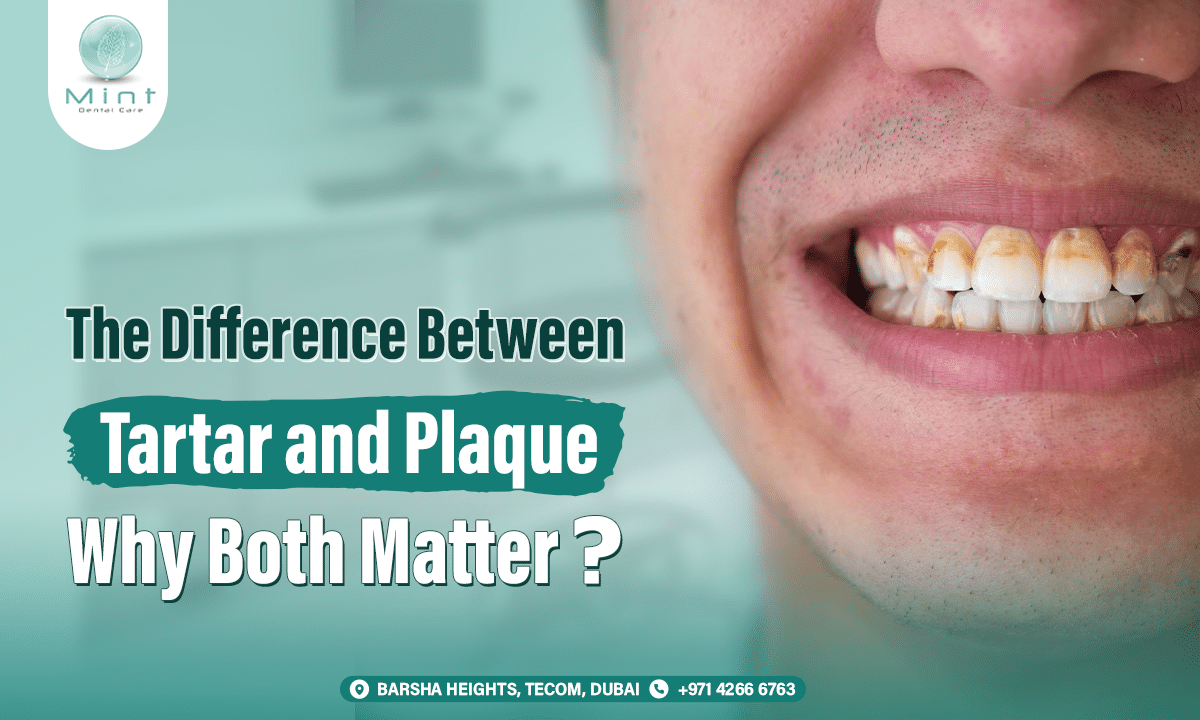
Tartar, also known as calculus, is hardened plaque that has been left on the teeth for too long. When plaque is not removed regularly, it absorbs minerals from saliva and solidifies—often within 24 to 72 hours. Once tartar forms, it cannot be removed by brushing alone.
Key Facts About Tartar:
- Color: Yellow, brown, or black (depending on location and staining)
- Texture: Hard and crusty—bonded to enamel or below the gumline
- Forms: From untreated plaque after a few days
- Contains: Bacteria that cause gum disease and inflammation
- Risks: Leads to gingivitis, periodontitis, and receding gums
Tartar can only be removed by a dental professional using special tools during a cleaning or scaling appointment.
Plaque vs. Tartar: Side-by-Side Comparison
| Feature | Plaque | Tartar |
| Appearance | Clear or pale yellow | Yellow, brown, or black |
| Texture | Soft and sticky | Hard and rough |
| How It Forms | Bacteria + food particles | Hardened plaque + minerals from saliva |
| Can You Remove It? | Yes, with daily brushing and flossing | No, only a dentist can remove it |
| Health Risks | Cavities, bad breath | Gum disease, bone loss, receding gums |
| Prevention | Daily oral hygiene | Regular cleanings to prevent buildup |
Why Do Plaque and Tartar Matter?
1. They Cause Gum Disease
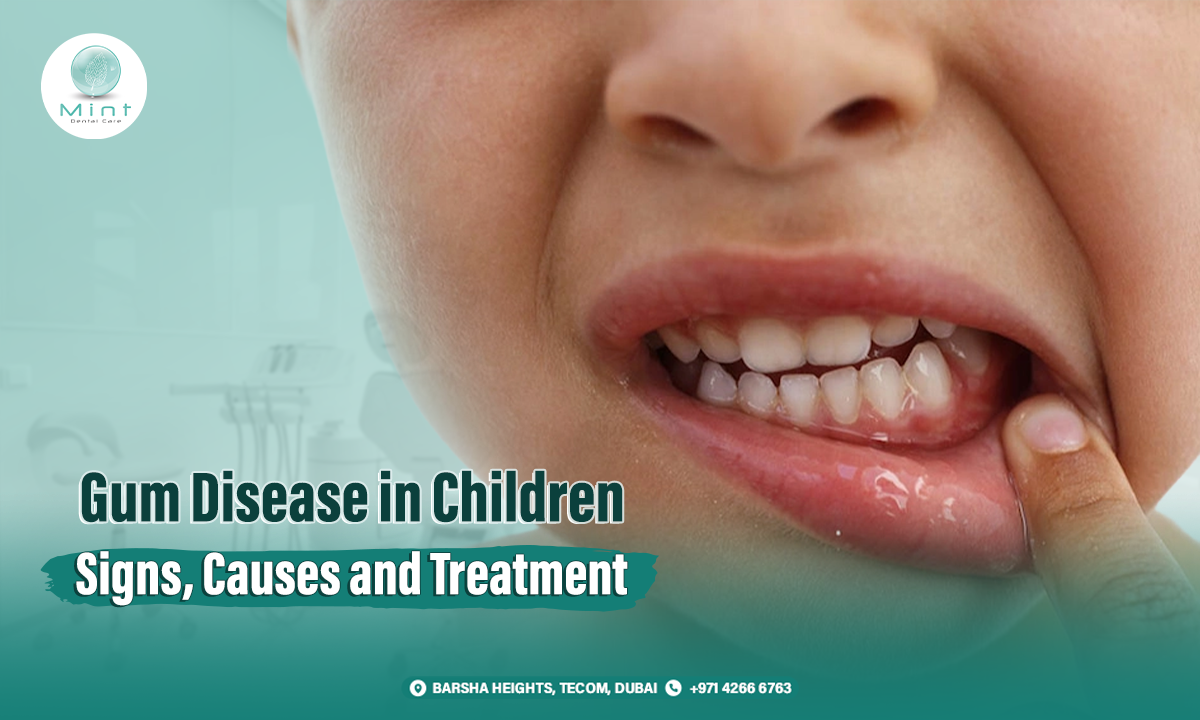
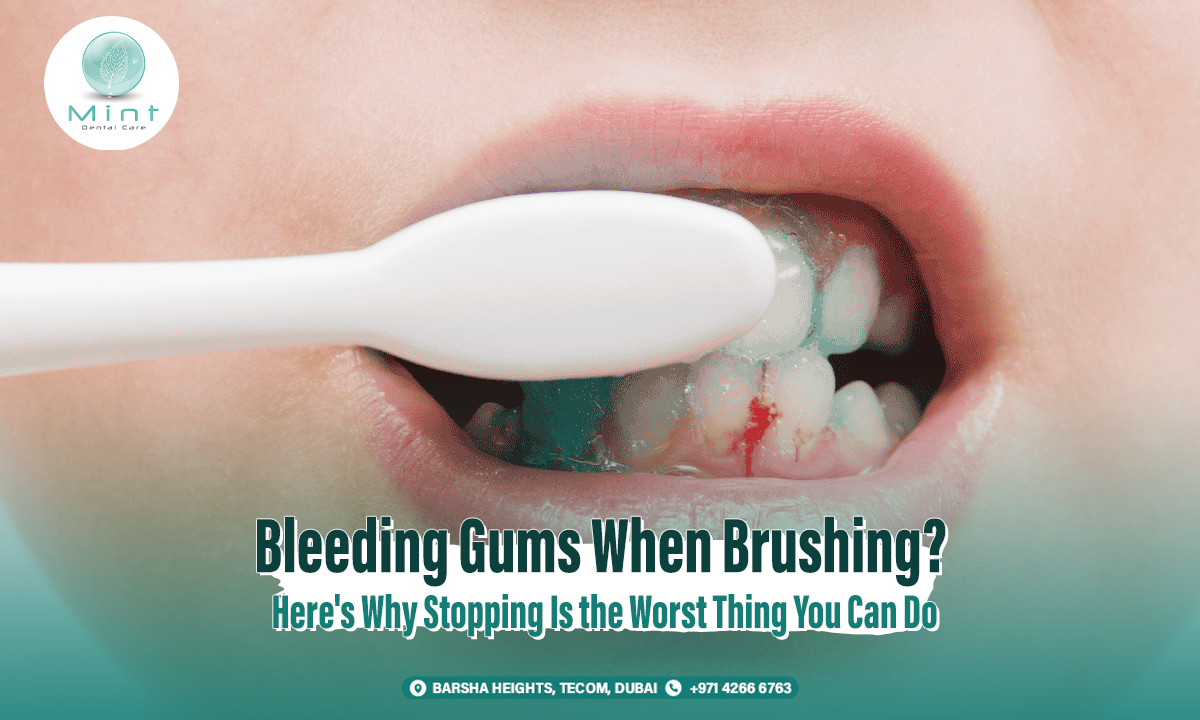
When plaque and tartar accumulate along the gumline, they irritate the gums. This can lead to gingivitis—red, swollen gums that may bleed when brushing. If left untreated, this progresses to periodontitis, a serious infection that damages gums and bone.
2. They Promote Tooth Decay
The bacteria in plaque feed on sugars and produce acid, which wears down enamel and causes cavities. Tartar worsens the situation by providing a rough surface where more bacteria and plaque can stick.
3. They Lead to Tooth Loss
If gum disease advances, it can destroy the structures that hold your teeth in place. This may result in loose teeth or even tooth loss.
4. They Affect Your Breath and Appearance
Tartar buildup and poor plaque control are major causes of halitosis (chronic bad breath). Visible tartar can also appear unsightly, especially around the lower front teeth.
How to Prevent Plaque and Tartar Buildup
Prevention starts with consistent, daily oral care and regular dental visits.
At-Home Prevention Tips:
- Brush twice daily for 2 minutes using fluoride toothpaste
- Floss once daily to remove plaque between teeth
- Use antibacterial mouthwash to reduce bacteria
- Limit sugar and acidic foods that feed bacteria
- Drink plenty of water to stimulate saliva and wash away debris
In-Clinic Prevention at Mint Dental Care:
- Professional cleanings every 6 months
- Scaling and polishing to remove tartar
- Dental sealants and fluoride treatments for added protection
- Personalized oral hygiene coaching for children and adults
Frequently Asked Questions (FAQs)
1. Can tartar damage my teeth permanently?
Yes. If not removed, tartar leads to gum recession, bone loss, and tooth mobility, which can become irreversible. That’s why early intervention is key.
2. How often should I get a professional cleaning?
Most patients should visit the dentist every 6 months. If you have gum disease or are prone to tartar, you may need cleanings every 3–4 months.
3. Is tartar removal painful?
Not at all. At Mint Dental Care, we use gentle ultrasonic scalers and comfort-focused techniques to ensure a pleasant experience.
4. Are electric toothbrushes better at removing plaque?
Yes. Studies show that electric toothbrushes—especially those with rotating or vibrating heads—remove more plaque than manual brushing.
5. Can children get tartar?
Absolutely. Kids can develop tartar if plaque is not properly removed. That’s why early dental education and regular pediatric cleanings are essential.
Why Choose Mint Dental Care in Al Barsha, Dubai?
At Mint Dental Care, we combine cutting-edge technology with patient-centered care to prevent and treat plaque and tartar buildup effectively. Here’s what sets us apart:
- Expert hygienists trained in advanced scaling and polishing
- Gentle cleanings in a luxurious, stress-free setting
- Pediatric, teen, and adult dental care under one roof
- Digital scans and photos to show plaque and tartar before/after
- Convenient appointments in the heart of Al Barsha
Book Your Cleaning and Oral Health Check Today
Plaque and tartar are more than just nuisances—they are the starting point of serious dental issues. Whether you need a routine cleaning or haven’t seen a dentist in years, Mint Dental Care in Dubai is here to help you reclaim your oral health.
Call us now or book your appointment online for a professional dental cleaning and comprehensive oral health assessment.